
Your lab supervisor might be wrecking your mental health more than any failed experiment. A survey published today in Nature reveals that poor academic supervision is a hidden driver of the mental health crisis pushing young researchers out of academia. For anyone invested in cognitive optimization and longevity, this is a wake-up call: your social environment directly modulates your neurochemistry, from cortisol production to synaptic plasticity.
The Science
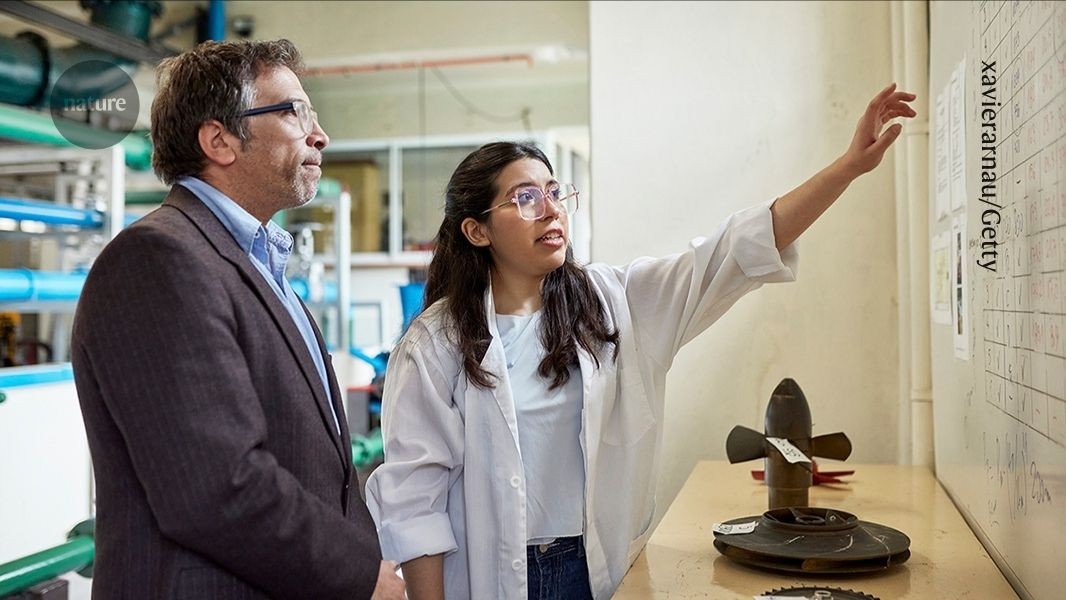
The study, published June 1, 2026 in Nature, surveyed thousands of graduate students and postdocs across multiple disciplines and countries. The data show supervisors have a massive impact on their students' mental health: students with unsupportive supervisors reported significantly higher rates of depression and anxiety than those with effective mentors. Specifically, the risk of clinical depression doubles in the poor supervision group, an effect comparable to other well-known risk factors like unemployment or divorce.

The mechanism is clear: poor supervision generates chronic stress, activates the HPA axis, and elevates cortisol persistently. This not only degrades mood but also impairs working memory, creativity, and concentration—exactly what a scientist needs to innovate. Moreover, chronic amygdala activation and stress-induced suppression of neuroplasticity create a vicious cycle: the worse the supervision, the harder it is for the student to perform, which in turn invites more criticism and stress.



:format(jpg):quality(99):watermark(f.elconfidencial.com/file/a73/f85/d17/a73f85d17f0b2300eddff0d114d4ab10.png,0,275,1)/f.elconfidencial.com/original/2a0/b5d/dda/2a0b5ddda677ea1d932ae914d4891720.jpg)