
Space radiation could rewrite your DNA in weeks. Biohacking protocols developed for astronauts are now accessible to Earth-based health optimizers, offering strategies to build systemic resilience under extreme conditions. This article explores the science behind lunar challenges and how to apply these principles to life on Earth.

The Science Behind Lunar Challenges
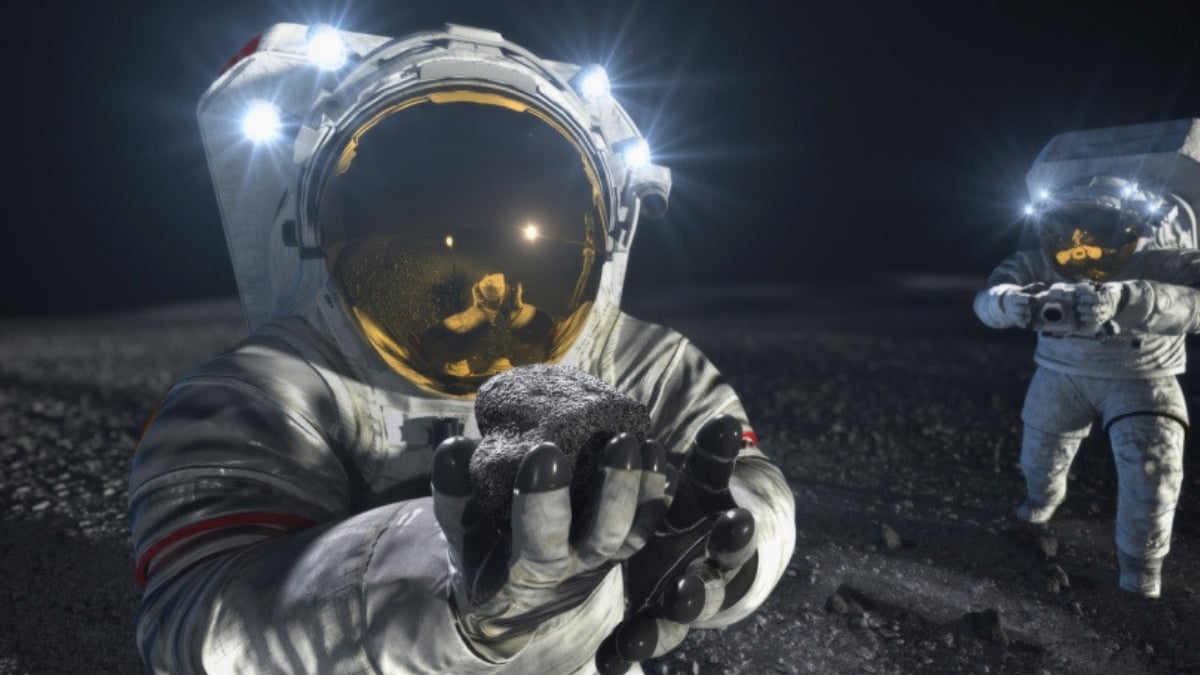
Lunar Living: The Biohacking Protocol for Space Survival

The Moon lacks protective atmosphere and magnetic field, exposing humans to cosmic radiation levels we never experience on Earth. Solar particle radiation and galactic cosmic rays constantly bombard the lunar surface with high-energy particles that can penetrate building materials and space suits. Earth-evolved biological systems developed with atmospheric protection, so our cells have never faced this level of continuous radioactive stress.

Lunar radiation is particularly dangerous because it contains high-energy charged particles that can cause direct DNA damage and generate reactive oxygen species that harm mitochondria. NASA studies show prolonged exposure to this radiation significantly increases cancer risk, neurodegenerative diseases, and cardiovascular damage. Additionally, lunar microgravity (1/6 of Earth's gravity) causes muscle atrophy and bone loss at an accelerated rate, while the lack of natural day/night cycles disrupts circadian rhythms.

astronaut measuring lunar radiation with portable device

Research on the International Space Station has demonstrated that astronauts experience profound physiological changes in space. A 2024 study found that after six months in microgravity, astronauts lost up to 20% of muscle mass and 2% of bone density per month in some areas. These findings underscore the need for biohacking protocols that protect at cellular and systemic levels. Lunar exposure requires interventions that go beyond traditional physical protection, addressing biological resilience from within.

Lunar exposure requires biohacking protocols that protect at cellular and mitochondrial levels, not just with physical barriers.

Key Findings from Lunar Research

Key Findings from Lunar Research — biohacking
Key Findings from Lunar Research
  • Radiation: 200 times more intense than Earth's, with particles penetrating up to 30 centimeters of solid material
  • Gravity: 1/6 of Earth's affects musculoskeletal systems, causing up to 2% monthly bone density loss
  • Isolation: Extreme conditions impact mental health and circadian rhythms, with sleep disturbances reported in 85% of astronauts
  • Limited resources: Complete dependence on life support systems that must recycle 90% of water and generate oxygen in situ
  • Lunar dust: Abrasive particles that damage equipment and may cause respiratory problems similar to silicosis
space health monitoring data chart showing biomarker changes

Why It Matters for Terrestrial Biohacking

Protocols developed for astronauts have direct applications in terrestrial biohacking. Cellular resilience against radiation, muscle mass preservation in low-gravity conditions, and circadian rhythm maintenance without natural day/night cycles are challenges health optimizers face in less extreme versions. For example, frequent flyers experience increased cosmic radiation exposure, night shift workers face similar circadian disruptors, and people with reduced mobility share muscle preservation challenges with astronauts.

Space research accelerates our understanding of human limits by creating unique laboratory conditions. What we learn about radiation protection applies to frequent flyers (who receive doses equivalent to 10 chest X-rays per transatlantic flight), radiology workers, or anyone exposed to elevated environmental radiation levels. Exercise protocols for astronauts in microgravity inform strategies for bedridden patients or people with reduced mobility, demonstrating that even minimal exercises with resistance bands can significantly prevent atrophy.

Emerging research suggests space adaptation mechanisms may reveal longevity pathways. A 2025 study found that certain cellular responses to space stress activate DNA repair pathways similar to those seen in centenarians. This convergence between space research and longevity science is creating a new field of "gerocosmology" that studies how extreme space challenges can inform anti-aging strategies.

Your Lunar-Terrestrial Biohacking Protocol

Your Lunar-Terrestrial Biohacking Protocol — biohacking
Your Lunar-Terrestrial Biohacking Protocol

Apply these space biohacking principles to your Earth-based routine. The key is building systemic resilience that functions in suboptimal conditions, preparing your biology for both everyday and extraordinary challenges.

  1. 1Cellular protection against radiation: Implement antioxidant protocols specific to oxidative stress. Consider supplementation with astaxanthin (4-12 mg/day), which has shown in astronaut analog studies to protect cell membranes against radiation damage. Add NAC (N-acetylcysteine, 600-1200 mg/day) to support glutathione production, the body's master antioxidant. Include foods rich in apigenin (parsley, celery) and luteolin (artichokes, peppers), flavonoids that preliminary studies suggest may help repair DNA damage.
  2. 2Muscle and bone preservation: Design exercise routines that counteract atrophy even with limited activity. Implement resistance training with elastic bands 3-4 times weekly, focusing on compound movements. Include axial loading exercises like squats and lunges to stimulate bone density. Consider supplementation with HMB (beta-hydroxy beta-methylbutyrate, 3 g/day) which has shown in NASA studies to reduce muscle loss in disuse conditions. Ensure adequate protein intake (1.6-2.2 g/kg of body weight) distributed throughout the day.
  3. 3Circadian rhythm optimization: Establish robust artificial cues for your biological clock. Bright light exposure (10,000 lux) for 30 minutes each morning, preferably within the first hour after waking. Create absolute darkness in your bedroom at night, using a sleep mask if necessary. Maintain consistent meal timing, even on weekends, as time-restricted feeding synchronizes peripheral rhythms. Consider supplementation with extended-release melatonin (0.5-1 mg) only if crossing time zones or working night shifts.
person following biohacking protocol with monitoring devices and supplements
  1. 1Psychological and social resilience: Develop daily mindfulness practices, as astronauts train extensively in mindfulness techniques to handle isolation. Establish regular social rituals, even virtual ones, to counteract distancing effects. Practice daily gratitude, which studies have linked to better stress resilience. Consider supplementation with ashwagandha (300-500 mg/day of standardized extract) which may help modulate cortisol response.

What to Watch Next

NASA's Artemis missions plan to return humans to the Moon by 2025, with plans to establish sustainable presence by 2028. These missions will generate real-time data about human adaptation to lunar environments, including novel biomarkers of oxidative stress, inflammation, and cellular aging. Watch how health protocols evolve based on this data, particularly in areas of radiation protection and musculoskeletal preservation.

Private companies like SpaceX and Blue Origin are developing their own life support systems and lunar habitats. Competition in this space will likely accelerate innovations in health monitoring and medical countermeasures. Wearables designed for astronauts, such as devices monitoring real-time biomarkers through sweat or breath, could soon be available to consumers. Emerging companies are developing portable "artificial gravity suits" that could help people with reduced mobility on Earth.

Emerging research in synthetic biology promises radical solutions, such as genetically modified bacteria that produce antioxidants or radiation-protective compounds in situ. Preliminary studies with tardigrades (extremely resilient microscopic animals) are identifying proteins that could confer radiation resistance in humans. The convergence of nanotechnology and biohacking could lead to "nanobots" that repair cellular damage in real time.

The Bottom Line

The Bottom Line — biohacking
The Bottom Line

Lunar living challenges reveal fundamental human vulnerabilities that we normally mask with terrestrial comforts. Protocols developed to overcome them offer a roadmap for optimal resilience on Earth, showing that our biology is more adaptable than we think when we apply rigorous scientific principles. Implement space biohacking principles to build a more robust system capable of facing any environment, from urban pollution to chronic work stress. The next frontier of health optimization is being written 238,855 miles away, but its lessons are immediately applicable in your daily life. By adopting these protocols, you're not just preparing for extreme futures, but optimizing your functioning in the present.