Longevity: Planetary Resilience Protocol for Human Health | StackedHealth
Longevity
Longevity: Planetary Resilience Protocol for Human Health
Astrobiology research shows approximately 10,000 asteroids could have transferred life between planets. Extremophile resilience principles offer a scientific fr
Microbial resilience in extreme conditions isn't an evolutionary accident but the result of sophisticated biochemical mechanisms with profound implications for our understanding of human health.
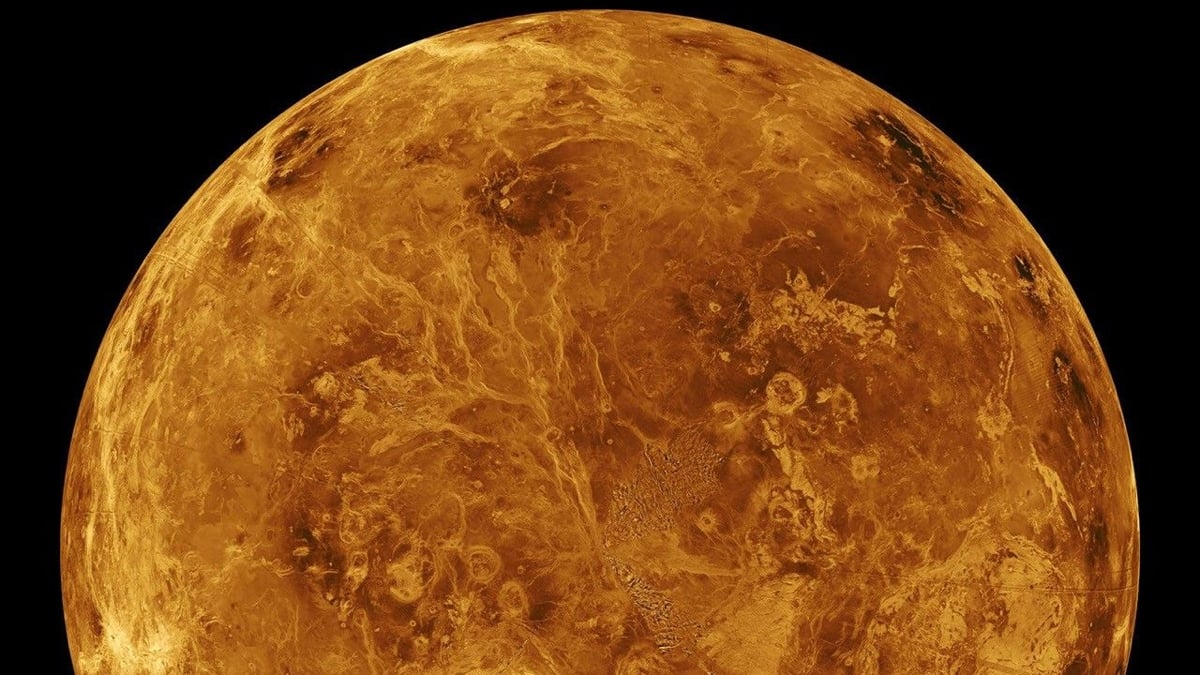
The possibility that Earth life could survive on Venus isn't merely astronomical curiosity but a profound revelation about fundamental princ...
Panspermia theory, which posits that life can travel between celestial bodies via rocky material, has evolved from philosophical speculation...
The possibility that Earth life could survive on Venus isn't merely astronomical curiosity but a profound revelation about fundamental principles of biological resilience. This research transcends astrobiology's boundaries to offer practical protocols humans can apply to optimize health, longevity, and adaptive capacity in an increasingly complex and demanding world.
The Science
Panspermia theory, which posits that life can travel between celestial bodies via rocky material, has evolved from philosophical speculation to scientifically supported hypothesis backed by concrete evidence. Recent research in orbital dynamics and comparative planetary geology has calculated that approximately 10,000 asteroids of significant size could have served as vectors for biological transfer between Earth and Venus over the last 3.7 billion years. This calculation is based on simulations of asteroid impacts ejecting planetary crust material at escape velocities, followed by orbital trajectory analyses showing plausible routes between the two planets.
computer simulation showing asteroid trajectories between Earth and Venus
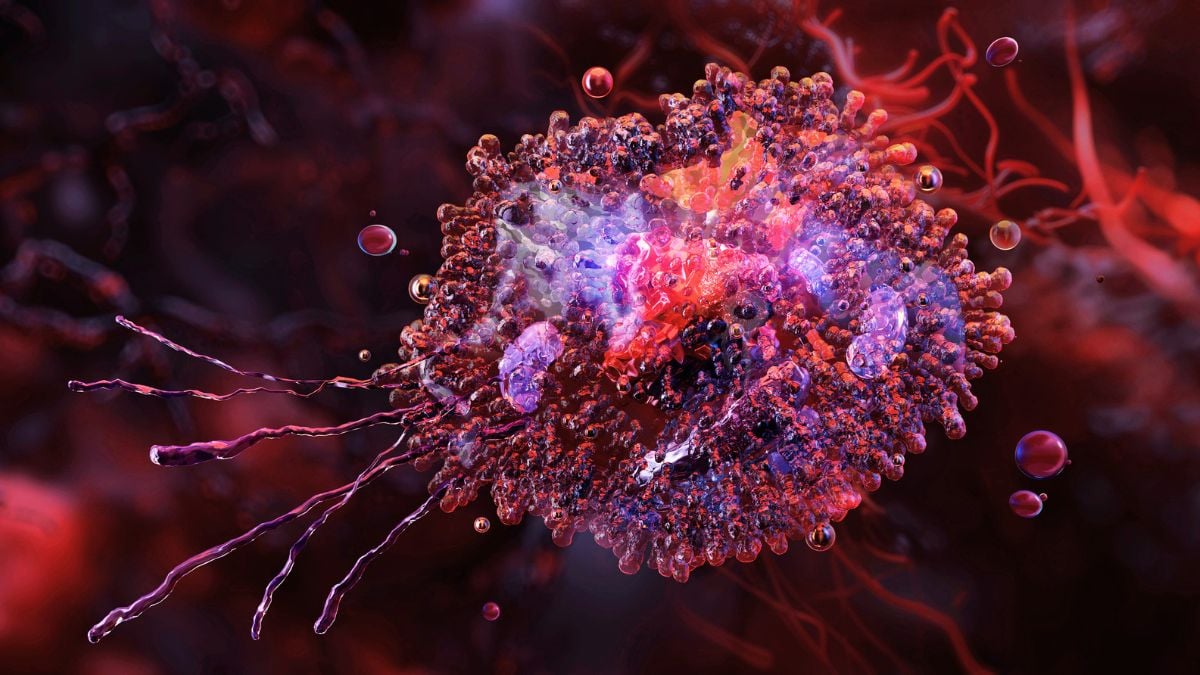
The true protagonist of this story isn't the asteroids themselves but the microscopic passengers that might have traveled on them: extremophiles. These specialized microorganisms have developed extraordinary survival mechanisms that allow them to thrive in conditions that would be lethal to most life forms. Laboratory studies have documented bacterial and archaeal species maintaining viability in temperatures ranging from -150°C (like those found in Martian polar regions) to 122°C (above water's boiling point at standard pressure). Even more impressive is their ability to survive the vacuum of space, where lack of atmosphere and pressure would rupture most organisms, and ionizing radiation levels hundreds of times greater than what we experience on Earth's surface.
“Microbial resilience in extreme conditions isn't an evolutionary accident but the result of sophisticated biochemical mechanisms with profound implications for our understanding of human health.”
Key Findings
Key Findings
Quantified planetary transfer: Orbital simulations indicate approximately 10,000 asteroids could have transported biological material between Earth and Venus, establishing a potential channel for life exchange.
Extended time window: This exchange has been theoretically possible for the last 3.7 billion years, coinciding with periods of intense asteroid bombardment in the inner solar system.
Documented extreme thermal range: Laboratory extremophiles show proven tolerance to temperatures from -150°C to 122°C, spanning conditions more extreme than any natural environment on Earth.
Verified space resilience: Experiments on the International Space Station have confirmed certain bacterial strains can survive years in space vacuum when protected within rocks or under regolith layers.
Active repair mechanisms: Extremophiles aren't merely passive against stress; they activate specific DNA repair pathways, produce molecular chaperones, and adjust their metabolism in response to changing conditions.
comparative chart showing survival ranges of extremophiles versus conventional organisms
Why It Matters
This research represents far more than an advance in astrobiology; it offers a completely new model for understanding human health through the lens of planetary resilience. The mechanisms allowing microorganisms to survive in seemingly impossible conditions contain deep lessons about how our own bodies can be optimized to withstand stress, repair damage, and adapt to changing environments.
Extremophiles employ a "dosed stress" strategy where controlled exposures to adverse conditions activate protective responses that prepare them for greater challenges. This principle, known as hormesis, has direct applications in human physiology. When we expose our bodies to moderate doses of thermal, metabolic, or environmental stress, we activate cellular signaling pathways that enhance DNA repair, increase endogenous antioxidant production, and strengthen cellular structures. This isn't about seeking suffering but applying strategic stress that activates our innate resilience mechanisms.
For biohackers, high-performance athletes, and anyone interested in longevity, these principles offer a framework based on the strongest possible evidence: billions of years of biological evolution. Practices like cold therapy, intermittent fasting, hypoxic training, and environmental variability aren't passing fads but modern applications of fundamental biological principles that have allowed life to persist and thrive in the universe's most challenging environments.
Your Protocol
Your Protocol
Planetary resilience principles offer a structured framework for human health optimization. This three-component protocol is designed to activate deeply rooted adaptation mechanisms in our biology, mimicking the strategies that have allowed extremophiles to survive extreme conditions.
1Cyclic thermal exposure with progression: Begin with moderate cold exposures (2-3 minute cold showers) and heat exposures (10-15 minutes in 70-80°C sauna), alternating between them with at least one hour separation. Gradually progress to more intense exposures like cold water immersion (2-3 minutes in 10-15°C water) followed by higher temperature sauna (90-100°C). This thermal variation stimulates heat shock protein (HSP) production that repairs misfolded proteins, improves mitochondrial function, and increases cellular stress resistance. Perform this cycle 2-3 times weekly, always allowing adequate recovery.
2Controlled oxidative stress with strategic recovery: Incorporate high-intensity exercise sessions (HIIT or heavy resistance training) that temporarily generate reactive oxygen species, followed by active recovery periods and timed antioxidant supplementation. Consume polyphenol-rich foods (dark berries, raw cacao, green tea) and carotenoid-rich foods (leafy greens, carrots, sweet potatoes) within 2-3 hours post-exercise. This approach trains your endogenous antioxidant systems (glutathione, superoxide dismutase) to respond more efficiently to metabolic stress, improving long-term cellular resilience.
3Preventative environmental variability with periodization: Systematically change your training environment, dietary patterns, and sleep routines every 4-6 weeks. This can include training at different altitudes, modifying your macronutrient ratios, practicing fasting of varying durations, or altering your sleep schedules and light exposure. Preventative variability prepares your neuroendocrine system to adapt to unexpected changes, similar to how extremophiles adjust their gene expression in response to varying planetary environments. Maintain a journal to track your responses and adjust the protocol based on your observations.
flowchart showing the three-component protocol with timings and progressions
What To Watch Next
The convergence between astrobiology research and longevity science is generating transformative advances. Over the next five years, we expect significant developments in several key areas:
Scientists are mapping the precise molecular mechanisms that allow extremophiles to repair DNA damage in real-time, even under intense radiation. These processes could inspire pharmacological or genetic interventions that enhance DNA repair in human cells, with potential implications for cancer prevention and cellular aging. Preliminary research has already identified bacterial enzymes with exceptional repair capabilities that could be adapted for biomedical use.
Planned missions to Venus (like NASA's DAVINCI+ and VERITAS) and Mars (Mars sample return) will collect geological samples that might contain viable extremophiles or their fossilized biomarkers. Analysis of these organisms, if found, would revolutionize our understanding of life's limits and provide new models for biological resilience. Particularly interesting will be studying any radiation protection mechanisms, which could lead to advances in protecting astronauts, radiotherapy patients, and people exposed to environmental radiation.
On the applied front, research on cellular preservation under cryogenic conditions (inspired by extremophiles surviving extremely low temperatures) could transform regenerative medicine and tissue storage. Similarly, principles of metabolic adaptation observed in microorganisms surviving with limited resources could inform new approaches to human metabolic health under caloric restriction or fluctuating resource conditions.
The Bottom Line
The Bottom Line
Life on Earth isn't fragile but extraordinarily resilient, having evolved over billions of years on a dynamic and often hostile planet. The principles allowing microorganisms to survive in space and on neighboring planets offer more than an interesting story about our cosmic origins; they provide a robust scientific model for human health optimization. By applying controlled stress, environmental variability, and strategic recovery periods, we can activate deeply rooted repair and adaptation mechanisms in our biology.
The next frontier in longevity isn't about avoiding stress at all costs but learning to use it strategically to build resilience—a principle that has allowed life to persist from the deepest ocean trenches to the edges of space. By adopting this planetary resilience framework, we not only optimize our individual health but align ourselves with the fundamental principles that have sustained life on our planet for eons.