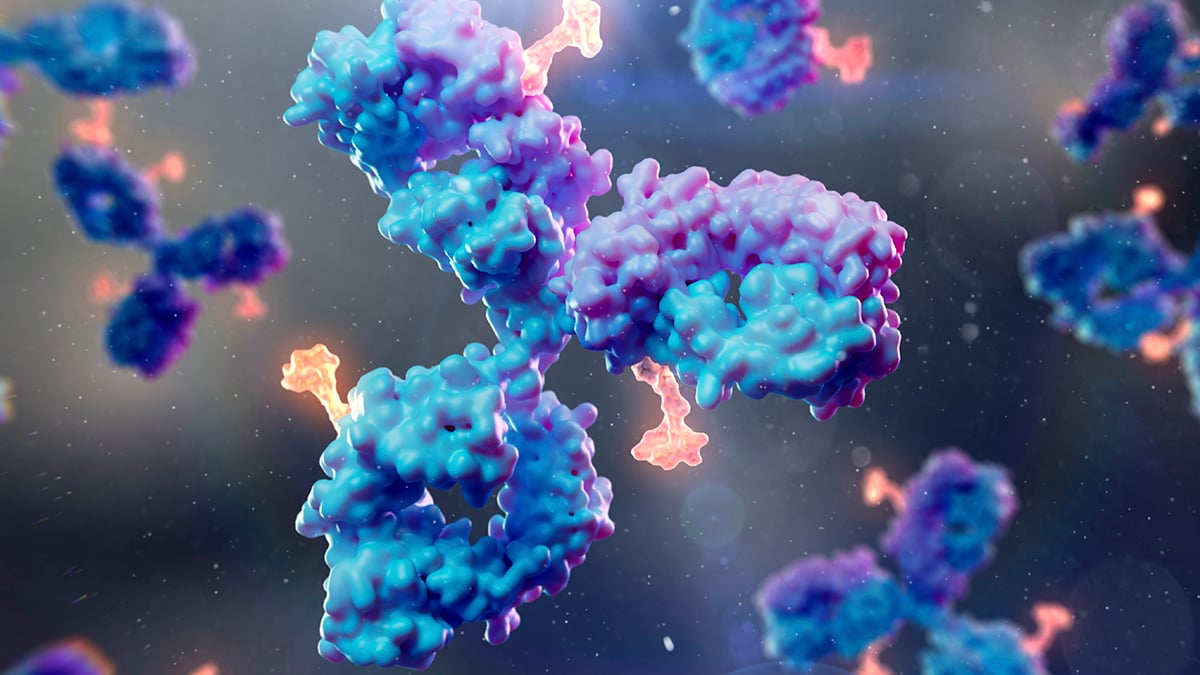
Your gut houses a silent molecular guardian operating with extraordinary precision. This special protein, recently identified in cutting-edge research, represents a new frontier in digestive health optimization. Unlike traditional approaches that treat the microbiome as a whole, this protein acts as an intelligent defense system that discriminates between bacterial friends and foes. In 2026, understanding how to modulate its production has become a key strategy for those seeking lasting gut resilience.
The Detailed Science
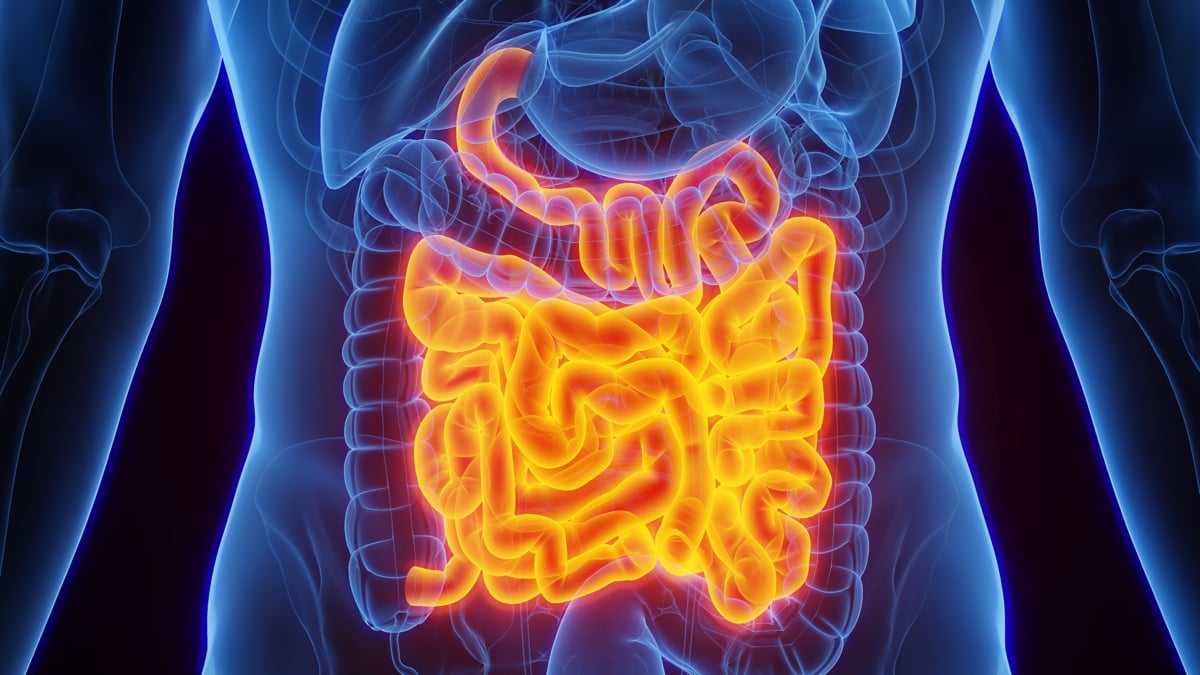
The gut microbiome is a complex ecosystem where trillions of bacteria, viruses, and fungi interact in a delicate balance. Among these interactions, certain proteins produced by intestinal epithelial cells, particularly in the crypts of Lieberkühn, act as selective defenders. Research published in 2025 in Nature Microbiology revealed that these proteins, classified as intestinal C-type lectins, recognize specific molecular patterns on the surface of pathogenic bacteria. What's fascinating is their ability to distinguish between beneficial commensal bacteria (like Bifidobacterium and Lactobacillus) and opportunistic pathogens (like certain strains of Escherichia coli and Clostridium difficile).

The molecular mechanism involves recognition of specific carbohydrates in the bacterial cell wall. When the protein binds to these patterns on pathogens, it triggers a cascade of events including pore formation in the bacterial membrane, interference with type III secretion systems (critical for virulence), and activation of intracellular autophagy pathways. Animal model studies show that mice deficient in this protein have 70% greater susceptibility to intestinal infections, while those with increased expression show a 60% reduction in pathogen colonization without affecting beneficial microbial diversity. This specificity contrasts markedly with broad-spectrum antibiotics, which indiscriminately eliminate both harmful and beneficial bacteria, often leading to dysbiosis and antimicrobial resistance.