Rising temperatures fuel forest pest outbreaks
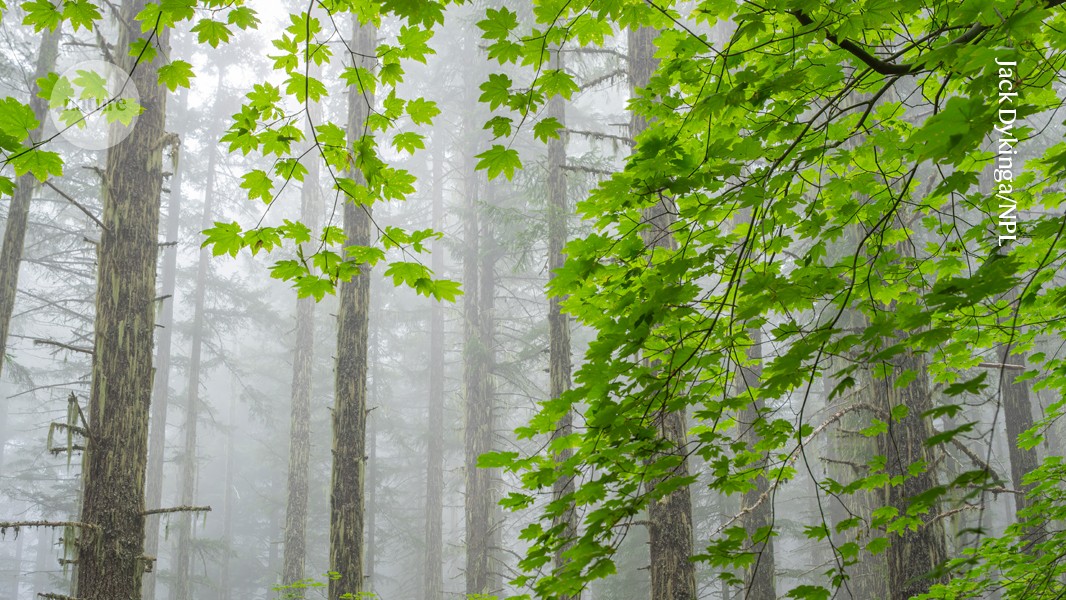
A new study published in *Nature* reveals that insect and fungal damage in US woodlands is greatest where maximum temperatures during the warmest months are rising fastest. This isn't just a forestry issue—it's a climate feedback loop with profound implications for carbon storage, ecosystem health, and human well-being. The study, released in April 2026, provides the most comprehensive analysis to date of how warming amplifies pest impacts across diverse forest types.
The Science Behind the Thermal Link


Researchers from multiple US universities analyzed decades of forest monitoring data to link climate change with pest activity. They combined high-resolution temperature records with damage inventories from over 100,000 forest plots, covering insect pests (like bark beetles and defoliators) and fungal pathogens (such as rusts and blights). Their core finding: in regions where maximum temperatures during the warmest months have increased the most, damage from insects and fungi is significantly higher. The correlation holds across diverse forest types—from southeastern pine stands to northeastern deciduous forests—and across multiple pest species, suggesting a robust, generalizable pattern.
The study doesn't just document the present—it projects a troubling future. If temperatures continue their upward trend, pest outbreaks could become more frequent and severe, altering entire ecosystems and reducing forests' ability to store carbon. This last point is critical: forests are among the planet's largest carbon sinks, absorbing roughly 30% of annual CO₂ emissions. Their degradation would accelerate climate change in a vicious cycle. The authors estimate that under moderate warming scenarios, pest-induced tree mortality could increase net carbon emissions by up to 15% by 2050 in the most affected regions.
“Rising maximum temperatures during warm months are directly linked to greater forest pest damage, the study finds.”
Biological Mechanisms: Why Heat Favors Pests
Heat affects pests in multiple ways. For insects, higher temperatures speed up metabolism and life cycles, allowing more generations per year. For instance, the mountain pine beetle (Dendroctonus ponderosae) can complete its life cycle in one year instead of two when temperatures exceed certain thresholds. Additionally, heat stresses trees, reducing their chemical defenses and making them more vulnerable. Fungal pathogens also benefit: spores germinate faster and infections spread more efficiently in warm, humid conditions. The study documents that for each degree Celsius increase in maximum warm-month temperature, the probability of severe pest damage rises by an average of 12%.
Key Findings

- Thermal correlation: Pest damage is highest where maximum temperatures during warm months have increased most. The relationship is statistically significant (p < 0.001) and holds after controlling for other factors like precipitation and soil type.
- Geographic breadth: The pattern holds across US forests, from the Appalachians to the Sierra Nevada, with particularly strong effects in the Pacific Northwest and Southeast.
- Climate feedback: Weakened forests absorb less CO₂, creating a positive feedback loop with global warming. Damaged forests may release up to 30% more carbon than they capture.
- Future projection: If current warming trends continue, pest outbreaks could double in frequency by 2040, threatening long-term forest health and the economic viability of the timber industry.
Why It Matters for Your Health
For health optimizers and biohackers, this study may seem distant, but its implications directly affect air quality, climate, and the availability of natural resources that underpin human well-being. Healthy forests filter pollutants like ozone and fine particulate matter, regulate local temperatures (reducing urban heat island effects), and provide spaces for physical activity and mental health. A pest-stressed forest loses these capacities. Moreover, forest fungi release spores that can trigger allergies and respiratory issues in sensitive individuals. With increasing fungal outbreaks, exposure to these spores may rise in communities near affected woodlands.
Additionally, the study is a reminder that climate change doesn't act in isolation: each degree of warming triggers cascading effects. For those seeking to optimize their environment and health, understanding these patterns helps anticipate changes in air quality, allergen exposure, and green space availability. A recent Harvard study found that people living near healthy forests have a 15% lower risk of cardiovascular disease, likely due to better air quality and greater access to nature.
Your Protocol for Local Mitigation
While you can't control global temperatures, you can take steps to mitigate local pest impacts and protect your health:
- 1Monitor nearby tree health: If you have trees on your property, inspect them regularly for signs of stress—discolored leaves, cracked bark, insect presence, or sap exudation. Early detection allows treatment before infestations spread. Consider hiring a certified arborist for annual assessments.
- 2Promote biodiversity: Planting native, diverse species in your garden or community reduces the risk that a single pest wipes everything out. Diverse ecosystems are more resilient. Avoid tree monocultures and opt for a mix of species that attract natural pest predators, such as insectivorous birds and bats.
- 3Support citizen science: Participate in forest monitoring programs like iNaturalist or the US Forest Service's pest monitoring program. Your observations can help researchers track pest spread and validate predictive models. Additionally, join local reforestation groups that promote planting climate-resilient trees.
- 4Improve indoor air quality: If you live near affected forests, consider using HEPA air purifiers to reduce exposure to fungal spores and other allergens. Keep windows closed during peak sporulation periods, which typically occur on warm, humid days.
What To Watch Next
The study authors plan to expand the analysis to other world regions, including boreal forests in Canada and tropical rainforests in South America, to assess the generality of the pattern. They are also developing predictive models that could alert forest managers to impending outbreaks based on seasonal climate forecasts. These models could be integrated into early warning systems to protect high-value ecological or economic areas.
In public health, watch for research on how forest fungal spores affect air quality and human respiratory health, especially in communities near affected woodlands. A companion study in *Environmental Health Perspectives* has already linked pine rust outbreaks to increased asthma hospitalizations in the western US. The combination of these findings underscores the need for integrated policies addressing both forest management and public health.
The Bottom Line
The *Nature* study establishes a clear link between warming warm months and increased forest pest damage in the US. For the health-conscious individual, this underscores the importance of maintaining healthy forest ecosystems as part of an environment that supports well-being. Next time you enjoy a forest, remember: its health is your health too. Taking local action—from monitoring trees to supporting citizen science—can make a difference in the resilience of our forests and, ultimately, in our own health.