
Your gut might be rebelling against your latest health craze. The 'fibermaxxing' trend—the push to maximize fiber intake for purported optimal benefits—promises transformations in gut health, energy, and longevity, but gastroenterologists and nutritionists warn of hidden risks that demand immediate attention. What started as an evidence-based recommendation has morphed into a race to consume extreme amounts of fiber, often without proper strategy, leading many to experience counterproductive effects. In a world where wellness trends go viral overnight, understanding the science behind fiber and the microbiome is critical to avoid unintentionally sabotaging your health goals.
The Science of Fiber and the Gut Microbiome
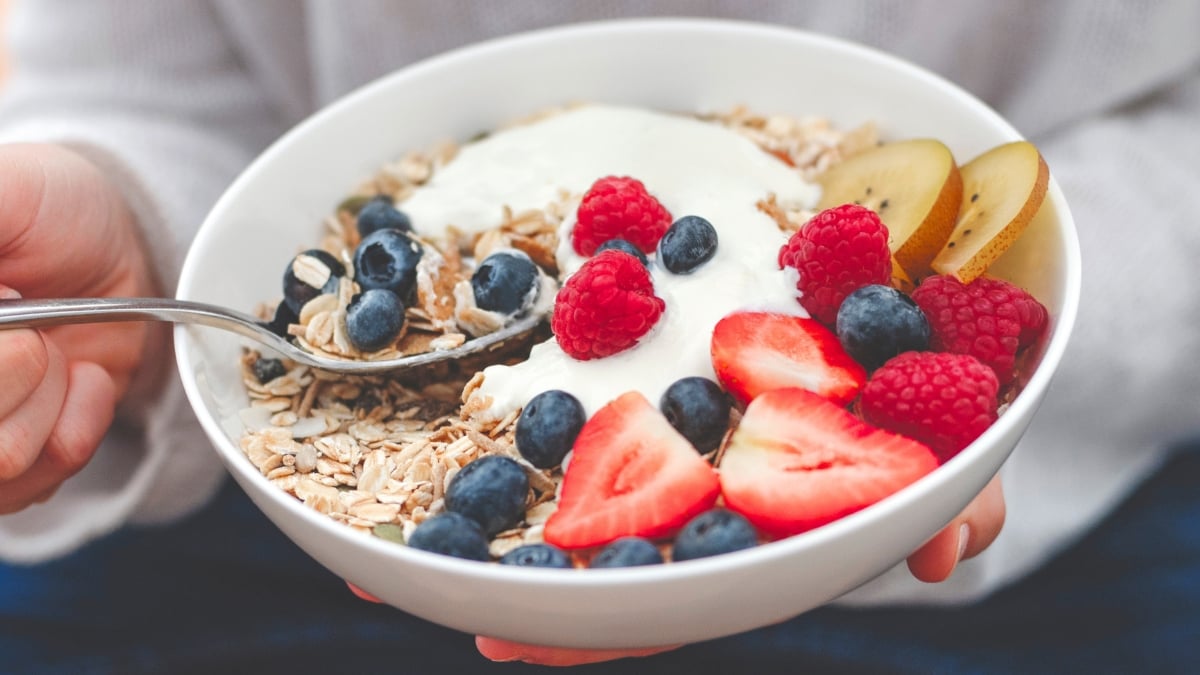
Dietary fiber, a non-digestible component of plant foods, is crucial for gut health, serving as a prebiotic that selectively feeds beneficial bacteria like Bifidobacterium and Lactobacillus. These bacteria ferment fiber in the colon, producing short-chain fatty acids (SCFAs) such as butyrate, propionate, and acetate, which are key for metabolic health, gut barrier integrity, and immune modulation. Butyrate, in particular, serves as the primary energy source for colon cells, reducing inflammation and protecting against conditions like colorectal cancer. However, this fermentation process is delicate and requires balance; introducing large amounts of fiber suddenly can overload the digestive system, leading to excessive fermentation that produces gases like hydrogen, methane, and carbon dioxide, resulting in bloating, flatulence, and abdominal discomfort.

Research, such as a study published in the American Journal of Clinical Nutrition, shows that drastic dietary changes—like increasing fiber from 15 to 40 grams daily in a week—can imbalance gut flora within days, altering the ratio of Firmicutes to Bacteroidetes, two dominant bacterial phyla linked to obesity and metabolic health. Studies indicate tolerance varies significantly based on fiber type (soluble vs. insoluble) and individual microbiome composition, which is influenced by factors like genetics, prior diet, antibiotic use, and stress. For instance, soluble fiber (found in oats, legumes, and apples) dissolves in water and forms a gel that slows digestion, while insoluble fiber (in whole grains, nuts, and vegetables) adds bulk to stool. A diverse microbiome, with a wide range of bacterial species, is more resilient and capable of adapting to new fiber substrates, but many people in Western societies have impoverished microbiomes due to diets high in processed foods and low in plants, making them more susceptible to adverse effects.


:format(jpg):quality(99):watermark(f.elconfidencial.com/file/a73/f85/d17/a73f85d17f0b2300eddff0d114d4ab10.png,0,275,1)/f.elconfidencial.com/original/74d/0df/4ec/74d0df4ec02cc49a09b24ff79766878d.jpg)
:format(jpg):quality(99):watermark(f.elconfidencial.com/file/a73/f85/d17/a73f85d17f0b2300eddff0d114d4ab10.png,0,275,1)/f.elconfidencial.com/original/aa0/b3c/6c1/aa0b3c6c10bc4830f1a7f98028bbc49f.jpg)
