
Nearly one-third of Chinese scientific papers published between 2016 and 2020 listed more than one corresponding author. This unusual practice has raised alarms about academic integrity and the pressure to publish. The analysis published by Nature on June 4, 2026, reveals that almost 30% of papers with authors affiliated with Chinese institutions broke the traditional norm of a single corresponding author. The trend was strongest in chemistry and materials science, where competition for funding and recognition is particularly intense.
The Science
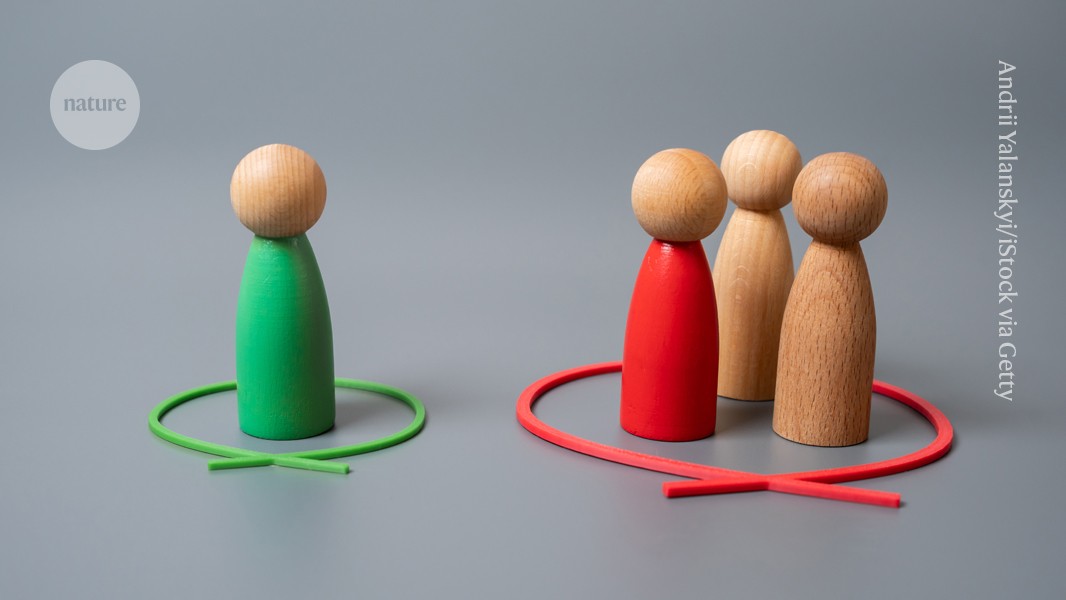
The corresponding author handles submission, peer review, and communication. Traditionally, one per paper. But in China, from 2016 to 2020, almost 30% of papers broke that rule, according to a Nature analysis published June 4, 2026. The trend was strongest in chemistry and materials science, where interdisciplinary collaboration is common but also where the pressure to publish is highest. In chemistry, for example, over 40% of papers had multiple corresponding authors, while in materials science the figure was around 35%.

Why does this happen? China's academic culture rewards publication counts and corresponding author status, which is tied to funding and promotions. Including multiple corresponding authors inflates CVs and distributes credit, but also dilutes accountability. A complementary study from Peking University found that researchers with multiple corresponding authorships were 20% more likely to receive national funding, creating a perverse incentive. Moreover, the practice has spread to international journals, where editors often accept multiple corresponding authors without question, fearing loss of Chinese manuscripts, which represent a large proportion of submissions.


:format(jpg):quality(99):watermark(f.elconfidencial.com/file/a73/f85/d17/a73f85d17f0b2300eddff0d114d4ab10.png,0,275,1)/f.elconfidencial.com/original/66e/269/927/66e269927e49231efd4132ecbe7cdab0.jpg)