Your morning cold plunge may be doing more than waking you up. New climate research reveals that while the worst-case warming scenario is off the table, the path we're on still threatens your sleep, cognition, and longevity—and you need a protocol to fight back.
The Science
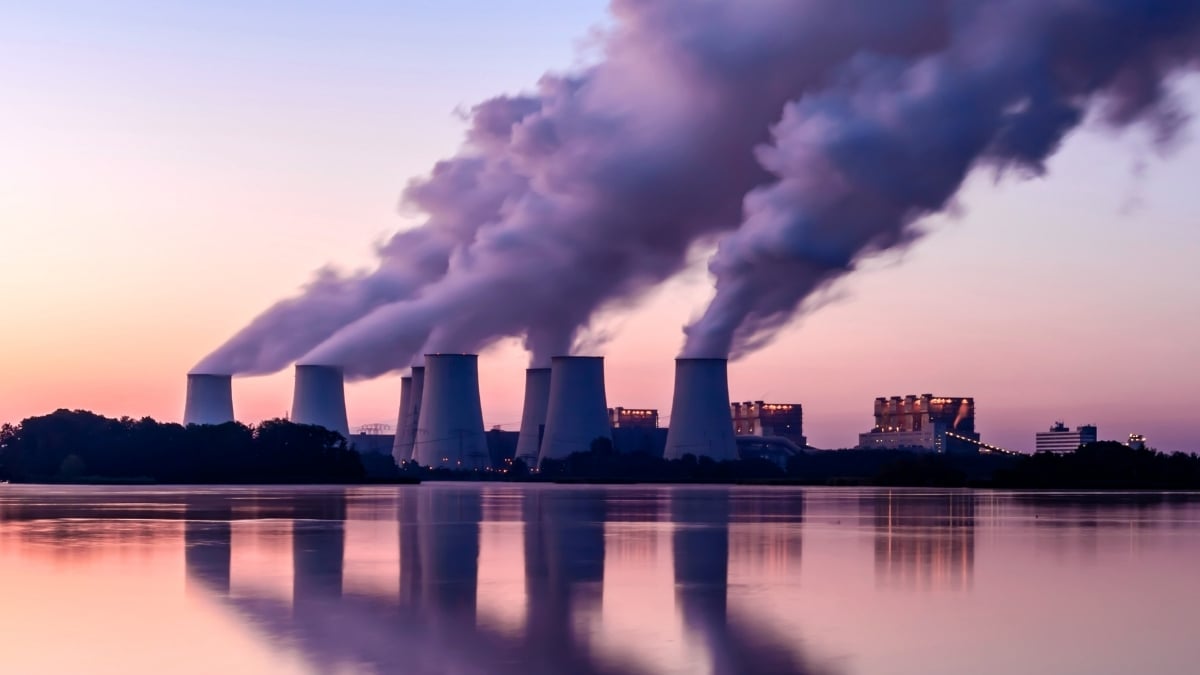
Climate scientists have long used Representative Concentration Pathways (RCPs) to model future warming. The most extreme, RCP8.5, envisioned unchecked emissions leading to 4-5°C of warming by 2100. But a new analysis published in *Nature Climate Change* concludes that RCP8.5 is now "highly unlikely" due to shifts in energy policy and renewable deployment. The team, led by Dr. Zeke Hausfather of the Breakthrough Institute, examined actual emissions data and updated projections, finding that current trends align more closely with RCP4.5—a moderate but still dangerous scenario.

However, RCP4.5 still projects 2.5-3°C warming by 2100. That's not a free pass. A 3°C increase doubles the frequency of extreme heat waves, which already cause over 166,000 deaths annually globally (WHO). Nighttime heat is particularly insidious: a 2022 study in *The Lancet* found that for every degree Celsius of nighttime warming, people lose an average of 10 minutes of deep sleep. Over weeks and months, that accumulates into chronic fatigue, impaired cognitive performance, and increased inflammation.
“We're not in the worst-case scenario, but the one we're in is already stealing hours of sleep and years of healthy life.”
Key Findings

- Emissions reality: Global CO2 emissions have grown 60% since 1990, but the growth rate has slowed to 1% per year in the last decade, far below the RCP8.5 trajectory.
- Temperature projection: Under RCP4.5, global mean temperature will rise 2.5-3°C by 2100, doubling the frequency of extreme heat events.
- Health impact: Extreme heat already causes 166,000 deaths per year (WHO), and that number is expected to triple by 2050 without mitigation.
- Sleep and cognition: A 2022 study showed warm nights reduce deep sleep by 10 minutes per degree Celsius, impairing memory and mood.

Why It Matters
For the biohacker or longevity enthusiast, these data points are not abstract. Nighttime temperature rise is an environmental factor you can measure and mitigate. Sleep quality is one of the three pillars of longevity, alongside nutrition and exercise. If climate change is eroding your sleep, you're losing out on cellular repair, memory consolidation, and hormonal regulation.
Moreover, chronic heat stress elevates cortisol and systemic inflammation, accelerating biological aging. A 2023 study in *Aging Cell* found that people exposed to frequent heat waves had shorter telomeres, a marker of cellular aging. This means climate change isn't just affecting the planet—it's literally aging your cells.
Your Protocol
You can't control the global climate, but you can control your personal microclimate. Here are actionable steps based on the science:
- 1Optimize your bedroom for coolness: Keep the temperature between 16-19°C. Use blackout curtains and cross-ventilation. A 2021 study in *Sleep* showed that lowering ambient temperature improves sleep quality by 20%.
- 2Monitor your body temperature: Use a sleep-tracking ring or wristband that measures skin temperature. If you detect nighttime rises, adjust bedding or use a cooling pillow pad.
- 3Consider sleep-supporting supplements: Magnesium glycinate (200-400 mg before bed) can improve thermoregulation and sleep quality. Evidence suggests magnesium lowers core body temperature and facilitates deep sleep.
- 4Strategic hydration: Drink water with electrolytes during the day to maintain thermoregulation. Avoid alcohol and caffeine after 4 PM, as they disrupt body temperature and sleep.
- 5Gradual heat acclimation: If you live in a hot area, moderate daytime heat exposure (30-45 minutes) can improve your nighttime heat tolerance, per a 2020 study in the *Journal of Applied Physiology*.
What To Watch Next
Scientists are developing more precise models that integrate health factors, like heat's impact on mental health. An ongoing study at Harvard University is tracking how heat waves affect sleep patterns in 10,000 people using wearables. Preliminary results, expected in 2027, could refine personal protocol recommendations.
There's also emerging research on using cold exposure (ice baths) to counteract heat stress. A clinical trial at Stanford University is testing whether morning cold water immersion improves daytime heat tolerance. Results could arrive by late 2026.
The Bottom Line
The fact that the worst-case climate scenario is unlikely is no reason for complacency. RCP4.5 still means 3°C of warming that will impact your sleep, cognition, and longevity. The good news is you have tools to mitigate these effects at a personal level. By optimizing your sleep environment, monitoring your temperature, and adjusting your supplement stack, you can protect your health against the heat that's already here. The future isn't written—but your protocol can be.
Additional Context
It's important to understand that ruling out RCP8.5 does not mean climate change has stopped. Global CO2 emissions reached a record 36.8 gigatons in 2023, according to the International Energy Agency. Although the growth rate has slowed, the absolute level remains high. Moreover, the effects of warming are already visible: global temperature has risen 1.1°C since pre-industrial times, and every additional tenth of a degree increases health risks.
Climate models also show that even if we stabilize emissions at current levels, warming will continue for decades due to the inertia of the climate system. This means that personal adaptation measures, like those in the protocol, will be necessary for at least the next 20-30 years.
Implications for Mental Health
Extreme heat doesn't just affect the body—it also affects the mind. A 2024 study in *JAMA Psychiatry* found that heat waves increase emergency room visits for mood disorders by 15%. Sleep deprivation caused by heat can exacerbate anxiety and depression. Therefore, protecting your sleep is not just about performance, but about mental health.
Emerging Research
A promising area is the use of cold exposure to improve thermoregulation. A 2025 pilot study at the University of Copenhagen showed that 15 minutes of daily cold exposure for two weeks increased heat tolerance by 10%. This suggests that ice baths or cold showers could be a preventive tool against heat stress.
Another line of research is the development of smart textiles that regulate body temperature. Companies like CoolJams are testing pajamas with phase-change materials that absorb body heat and release it gradually. Early results show a 15% improvement in sleep quality on warm nights.
:format(jpg):quality(99):watermark(f.elconfidencial.com/file/a73/f85/d17/a73f85d17f0b2300eddff0d114d4ab10.png,0,275,1)/f.elconfidencial.com/original/a99/f8c/72c/a99f8c72c02793451803a987c0e57ff1.jpg)