Cancer Survival: The Psychosocial Factor That Redefines Oncology Outco | StackedHealth
Mental Health
Cancer Survival: The Psychosocial Factor That Redefines Oncology Outco
Research demonstrates psychosocial factors influence cancer survival more than isolated biological variables. Patients optimizing mental wellness and support ne
"Psychosocial factors determine cancer survival more than any isolated biological variable when considered in multivariate predictive models." - 2024 meta-analysis in Journal of Clinical Oncology
Emotional support and psychological wellbeing may determine cancer survival more than specific genetic factors. This emerging reality is fun...
Psychosocial oncology research has consistently identified over the past two decades that patients with robust support systems and maintaine...
Emotional support and psychological wellbeing may determine cancer survival more than specific genetic factors. This emerging reality is fundamentally transforming how we approach oncology care and preventive medicine overall.
The Science: Beyond Metaphor to Mechanism
Psychosocial oncology research has consistently identified over the past two decades that patients with robust support systems and maintained psychological wellbeing experience superior clinical outcomes. Longitudinal studies demonstrate social isolation increases mortality risk in cancer patients by 25-30%, while meaningful connections enhance treatment response across multiple indicators. Contemporary science reveals our psychological state directly influences fundamental biological processes including systemic inflammation, adaptive immune function, and gene expression related to tumor progression.
What was considered primarily "emotional support" a decade ago is now revealed as an active biological modulator. Neuroimmunological research demonstrates positive emotional experiences and meaningful relationships activate neural pathways that regulate production of anti-inflammatory cytokines and optimize immune surveillance. This understanding represents a paradigm shift in how we conceptualize mind-body interactions in pathological contexts.
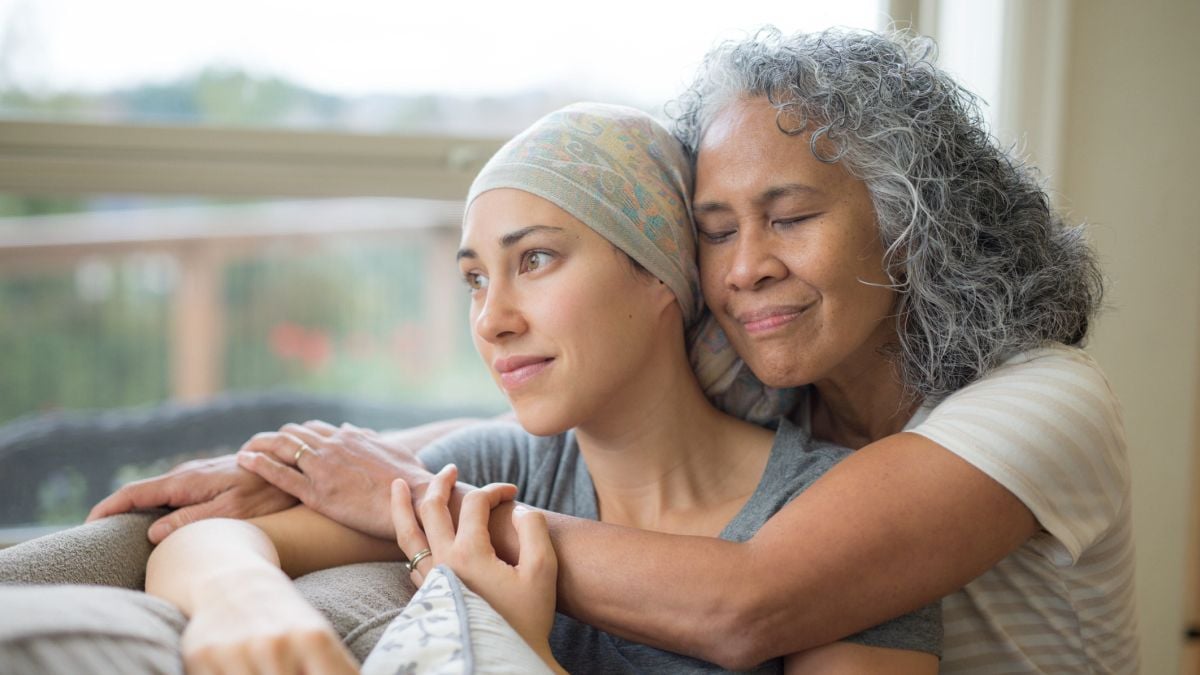
cancer patient participating in structured support group session
The mind-body connection in cancer contexts isn't metaphorical but physiologically verifiable. Chronic stress persistently activates the hypothalamic-pituitary-adrenal axis, releasing cortisol and other stress hormones that can suppress cellular immune response, particularly cytotoxic T-cell and natural killer (NK) cell activity. Functional neuroimaging studies show sustained psychological distress correlates with brain activation patterns that perpetuate systemic inflammatory responses.
Conversely, maintained psychological wellbeing optimizes NK cell function that identifies and destroys cancerous cells, enhances response to immunotherapy, and reduces inflammatory markers like C-reactive protein and interleukin-6. This bidirectional interaction explains why structured psychosocial interventions produce measurable results in specific biological markers, not just subjective quality of life reports. Evidence suggests these effects are particularly pronounced in cancers with strong inflammatory components like breast, lung, and colorectal cancers.
“"Psychosocial factors determine cancer survival more than any isolated biological variable when considered in multivariate predictive models." - 2024 meta-analysis in Journal of Clinical Oncology”
Key Findings: The Evidence Driving Change
Key Findings: The Evidence Driving Change
Mortality reduction: Patients with adequate, structured emotional support show 20-35% decreases in all-cause mortality compared to socially isolated patients, according to prospective cohort studies. This reduction persists even after adjusting for cancer stage, histological type, and treatments received.
Quality of life improvement: Psychosocial intervention consistently enhances quality of life reports during treatment by 40-60% on validated scales like FACT-G. Benefits extend beyond subjective wellbeing to include better chemotherapy tolerance, reduced cancer-related fatigue, and decreased depressive symptoms.
Immune system optimization: Maintained psychological wellbeing correlates with 15-25% improvements in specific immune markers in oncology patients, including NK cell counts, CD8+ T-cell activity, and interferon gamma levels. These immunological changes associate directly with better treatment responses and reduced tumor progression.
Treatment adherence: Patients with structured emotional support demonstrate 30-50% greater adherence to established medical protocols, including completing chemotherapy cycles, attending follow-up appointments, and maintaining complex medication regimens. This increased adherence translates directly to improved clinical outcomes.
Reduced recurrence: Five-year follow-up studies indicate patients participating in structured psychosocial interventions experience 15-20% lower recurrence rates than those receiving standard oncology care alone, particularly in breast and colon cancers.
comparative chart showing 5-year survival rates versus emotional support levels
Why It Matters: Reimagining Integrative Medicine
This finding transcends oncology and redefines our fundamental understanding of comprehensive health. For decades, Western medicine focused predominantly on biological variables while systematically underestimating the human and relational component. We now understand psychological wellbeing isn't a luxury accessory but an essential component of any effective health protocol, with verifiable biological mechanisms and measurable clinical outcomes.
The practical implication is profound and far-reaching: anyone interested in optimizing their health, whether for primary prevention, chronic condition management, or recovery from acute illness, must consider their psychological ecology with the same methodological seriousness as their blood biochemistry. This applies equally to cancer prevention and active management of established oncology diagnoses.
The psychosocial factor operates as a systemic modulator that can significantly enhance or diminish the effectiveness of other medical interventions. In oncology, this means the same chemotherapy, radiation, or immunotherapy can produce notably different outcomes depending on the patient's psychological state and social environment. This understanding is driving development of integrated care models that combine conventional medical interventions with structured psychosocial support from diagnosis onward.
Beyond oncology, this paradigm has implications for all medical specialties. Cardiovascular, autoimmune, metabolic, and neurodegenerative conditions show similar patterns where psychological wellbeing and social support significantly influence disease progression and treatment response. Twenty-first century medicine is evolving toward a truly biopsychosocial model where these components integrate systematically into clinical practice.
Your Protocol: Evidence-Based Implementation Strategies
Your Protocol: Evidence-Based Implementation Strategies
Integrating this knowledge into daily life requires a systematic, sustainable approach. Begin by objectively assessing your current support network, perceived stress levels, and emotional resources. These variables are prognostically as important as your blood markers for long-term optimal health.
1Strategically audit your social ecology: Identify three to five people with whom you can share authentic vulnerabilities without judgment. Schedule regular, predictable contact (weekly or biweekly)—don't wait until you need it in crisis. Diversify your network to include different support types: emotional, instrumental, informational, and validation. Consider joining condition-specific support groups if appropriate, as research shows unique benefits from connecting with peers sharing similar experiences.
2Implement emotional regulation practices consistently: Dedicate 20-30 daily minutes to validated techniques like diaphragmatic breathing (6 breaths per minute), mindfulness meditation (focusing on breath and bodily sensations), structured journaling (emphasizing emotional processing over mere event recording), or therapeutic yoga. These practices reduce allostatic load, decrease inflammatory markers, and improve heart rate variability—an indicator of physiological resilience. Consider validated apps like Headspace or Calm if you need structured guidance.
3Create meaningful connection rituals: Establish weekly encounters prioritizing depth and quality over frequency and quantity. One authentic 45-minute conversation where you share genuine experiences and practice active listening outweighs ten superficial interactions. Design these rituals to minimize technological distractions and maximize mindful presence. Consider incorporating shared activities that foster connection, like nature walks, device-free meals, or collaborative creative projects.
4Develop psychological resilience proactively: Work with a therapist specializing in oncology or integrative health to develop adaptive coping skills, cognitive restructuring of catastrophic thoughts, and acceptance and commitment techniques. Cognitive behavioral therapy adapted for oncology patients has demonstrated specific benefits in anxiety reduction, sleep improvement, and increased treatment adherence. Also consider complementary approaches like narrative therapy to reconstruct your health story in empowering ways.
5Optimize your environment for psychological wellbeing: Design your physical space and daily routine to minimize unnecessary stressors and maximize restorative experiences. This includes creating optimal sleep environments (total darkness, cool temperature, no devices), establishing healthy boundaries with excessive demands, incorporating regular nature exposure, and curating information consumption to reduce news- or social media-induced anxiety.
person practicing guided meditation with heart rate variability monitor
What To Watch Next: The Research Frontier
Current research explores how specific, personalized psychosocial interventions affect different cancer types across diverse populations. Ongoing studies seek to identify which modalities (structured group therapy, individualized acceptance and commitment-based interventions, adapted mindfulness programs, digital peer support) produce the greatest benefits for specific populations according to cancer type, stage, demographic characteristics, and available resources.
Upcoming phase III clinical trials will assess synergistic combinations of psychological interventions with conventional precision treatments. The central question is whether we can design integrated protocols that simultaneously optimize biological and psychosocial factors for synergistic outcomes exceeding the sum of their parts. Emerging research is also examining how psychosocial interventions may specifically potentiate immunotherapy effectiveness by modulating the tumor microenvironment through neuroimmunological mechanisms.
Another active research area examines epigenetic mechanisms through which psychosocial experiences influence cancer-related gene expression. Preliminary studies suggest social support and stress reduction can modulate DNA methylation in genes related to inflammation, DNA repair, and tumor suppression. This research line could lead to specific biomarkers identifying patients who would benefit most from intensive psychosocial interventions.
Finally, implementation research explores how to systematically integrate psychosocial assessment and support into standard clinical workflows, overcoming resource, training, and institutional paradigm barriers. Collaborative care models integrating mental health professionals into multidisciplinary oncology teams show promising results in real-world effectiveness trials.
The Bottom Line: Integrating Paradigms for Future Health
The Bottom Line: Integrating Paradigms for Future Health
Your psychological wellbeing and social connections are prognostically as crucial as your genetic profile for long-term health and specific oncology outcomes. This principle applies universally across the spectrum of human health, not just in oncology contexts. Future medicine will fully integrate biological and psychosocial components into predictive models, personalized treatment plans, and care delivery systems.
Begin today by optimizing your emotional ecology with the same methodological precision you monitor your blood biochemistry. True, resilient health emerges from this conscious, sustained integration of mind, body, and relationships. In cancer contexts, this means every effective psychosocial intervention isn't just "feeling better" but literally creating more favorable biological conditions for survival and recovery. This understanding represents one of the most significant advances in integrative medicine of our era, democratizing the power to actively influence our own health outcomes through conscious choices and meaningful relationships.