
Your breakfast may be doing more than fueling your morning: a new study published in *Nature* on April 29, 2026, reveals that eating a meal triggers T cells to mobilize faster, potentially boosting immune readiness. This finding reshapes how we think about nutrition and immunity, offering a simple strategy to optimize your defenses starting with your first bite.
The Science
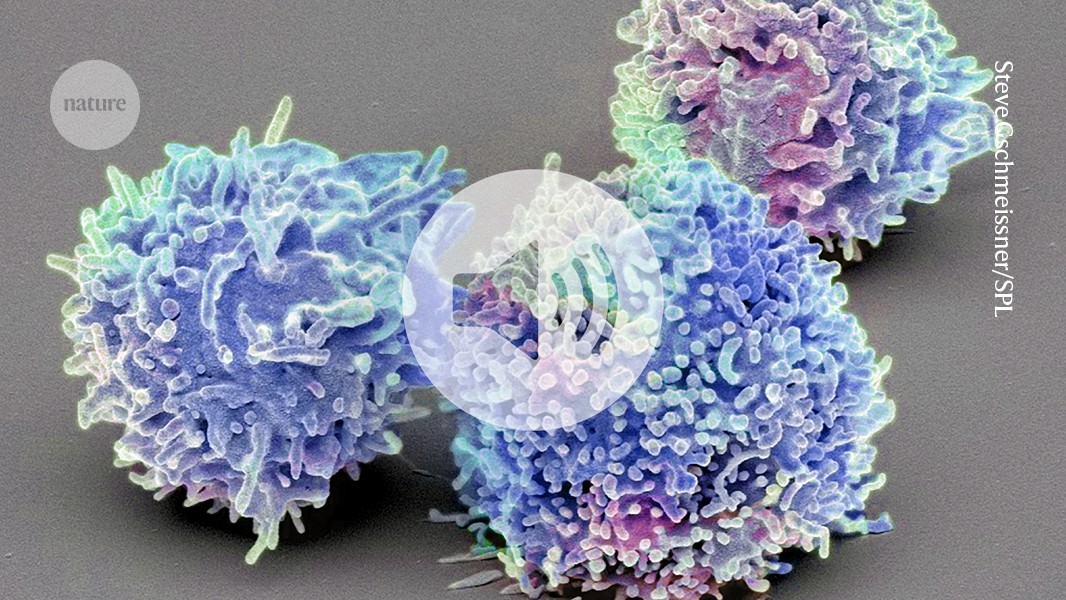
Researchers discovered that food intake causes a rapid mobilization of T cells, the elite soldiers of our immune system. The study, published in *Nature* (doi:10.1038/d41586-026-01406-x), shows that T cells from peripheral tissues become more agile after a meal. While the article doesn't specify the effect size or food type, the finding suggests a direct link between eating and immune preparedness.

This mechanism could explain why prolonged fasting sometimes leaves people more vulnerable to infections. The early activation of T cells after eating represents a window of opportunity to bolster immune surveillance. The authors compare this effect to a "warm-up" for the immune system, similar to how exercise primes muscles.
“Eating may be the switch that turns on your immune defenses faster than you thought.”
To provide more context, the researchers used both animal models and human samples to track T cell movement after food intake. They observed that within minutes, T cells migrated from lymph nodes into the bloodstream and peripheral tissues, ready to confront pathogens. This process appears to be mediated by hormonal signals from the gut, though the exact molecules have not yet been identified. The study also controlled for factors like time of day and caloric content, but the results were consistent: eating, regardless of what, accelerates T cell response.
Key Findings

- Accelerated activation: T cells mobilize more quickly after a meal, according to the *Nature* study published April 29, 2026.
- Immune window: The effect suggests that meal timing can influence immune responsiveness, especially in the first hours after eating.
- Implications for fasting: Those practicing intermittent fasting may need to adjust their eating windows to maintain optimal immunity.
- Mechanism unspecified: The study does not detail which nutrients or metabolic pathways mediate this effect, opening the door for future research.

Additionally, the researchers noted that the magnitude of activation varied depending on prior metabolic state: individuals who had fasted for more than 12 hours showed a more pronounced response upon eating, suggesting an immune "rebound" effect. However, they also observed that prolonged fasting (over 18 hours) reduced T cells' ability to respond, indicating that there is a sweet spot. These nuances are crucial for designing personalized eating and immunity strategies.
Why It Matters
This finding has direct implications for anyone interested in optimizing immune health. If eating speeds up T cell response, then breakfast (or the first meal of the day) becomes a tool for immune biohacking. For those who train, travel, or are exposed to pathogens, synchronizing meals with risk exposure could make a difference.
Moreover, the study arrives 40 years after Chernobyl, reminding us that immunity is our first line of defense against external threats. Although the article also touches on avoiding future nuclear calamities, the focus on immunity resonates with the growing trend of proactively strengthening the immune system.
Underlying mechanisms may involve gut hormone release or changes in blood flow that facilitate T cell trafficking. However, until more data emerges, the practical takeaway remains: don't underestimate the power of a timely meal.
In a broader context, this research adds to a growing body of evidence on chrononutrition, the study of how meal timing affects health. Previous studies have shown that eating late at night can disrupt metabolism and immunity, while this new work suggests that the first meal of the day is particularly potent. Integrating these findings could revolutionize dietary guidelines, shifting from a focus solely on "what to eat" to "when to eat."
Your Protocol

Based on this emerging evidence, you can adjust your routine to boost immunity:
- 1Eat within 2 hours of waking to activate your T cells early. If you practice intermittent fasting, consider breaking your fast before high-risk immune situations (travel, crowded events).
- 2Prioritize balanced meals with protein, healthy fats, and complex carbs. Although the study doesn't specify nutrients, a complete intake supports a robust immune response.
- 3Monitor your response: if you notice increased susceptibility to infections during prolonged fasting, shorten your fasting window or add a small snack to activate the immune system.
For more precise implementation, consider keeping a food and symptom diary. Log when you eat, what you eat, and how you feel in terms of energy and infection exposure. Over time, you may identify patterns that help you fine-tune your eating window. For example, if you have a long flight scheduled, you might plan your first meal just before boarding to maximize immune vigilance during travel.
What To Watch Next
Researchers will likely explore which macronutrients or food combinations maximize T cell activation. Studies comparing effects across age groups and health statuses are also expected. The link to the gut microbiome is another promising area: gut bacteria may mediate the signal that accelerates immune response.
Additionally, the Chernobyl reference suggests the authors may be interested in how nutrition can mitigate radiation effects or environmental stress. Stay tuned for upcoming publications in *Nature* or related journals.
Another exciting direction is the potential application in clinical settings. For instance, hospitalized patients could benefit from strategically timed meals to boost their immune response before surgeries or treatments. Similarly, athletes could adjust pre-competition meals to reduce infection risk during intense training periods. The research is still in its early stages, but the possibilities are vast.
The Bottom Line
Eating activates your T cells faster. This 2026 study reinforces the idea that breakfast isn't just fuel—it's an immune signal. Adjust the timing of your first meal to keep your defenses on high alert. Science is advancing, and your next meal could be your best daily vaccine.

:format(jpg)/f.elconfidencial.com%2Foriginal%2F3dc%2Ff75%2F0b7%2F3dcf750b7b1d9b265b8acd0349ac5a6b.jpg)
:format(jpg):quality(99):watermark(f.elconfidencial.com/file/a73/f85/d17/a73f85d17f0b2300eddff0d114d4ab10.png,0,275,1)/f.elconfidencial.com/original/a5c/5c1/c2a/a5c5c1c2aa428e2a79b2e55898b99722.jpg)