Brain Cancer Breakthrough: Hidden Glial Cells Fuel Deadly Glioblastoma
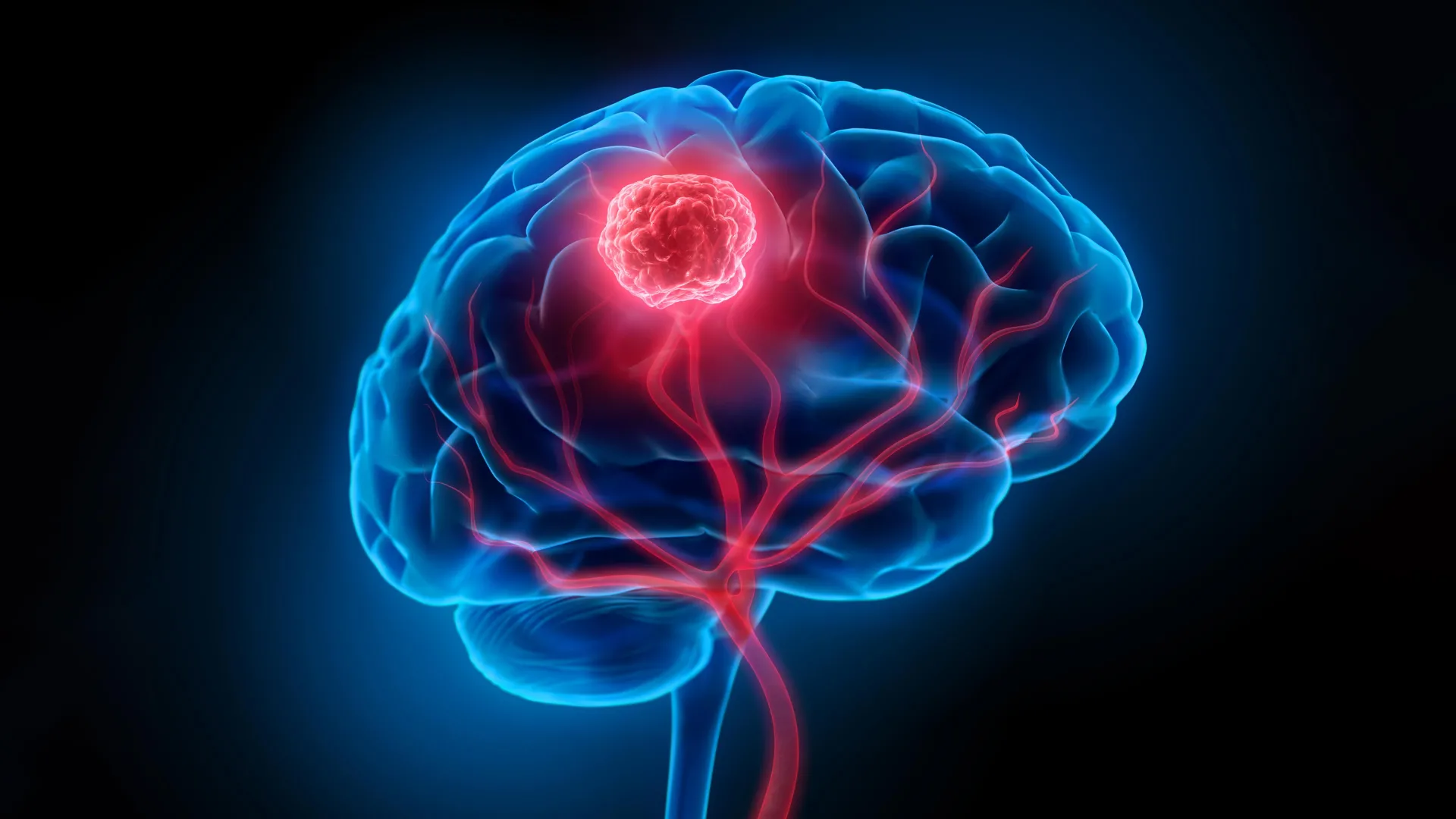
Canadian scientists discovered that astrocytes, the brain's support cells, send signals that strengthen glioblastoma cancer cells. When researchers blocked this
"We've discovered that the brain isn't a passive spectator in its own destruction. The cells that should protect it are being hijacked to fuel cancer," explained Dr. Elena Martínez, lead researcher of the study.
The brain cells we've long considered passive supporters have an active and potentially dangerous role in cancer development. This revolutio...
For over a century, traditional neuroscience classified glial cells as the "glue" of the nervous system—passive structures providing metabol...
The brain cells we've long considered passive supporters have an active and potentially dangerous role in cancer development. This revolutionary discovery not only changes our understanding of glioblastoma biology but redefines how we approach preventive brain health and neurological biohacking.
The Science Behind the Discovery
For over a century, traditional neuroscience classified glial cells as the "glue" of the nervous system—passive structures providing metabolic and structural support to neurons. Astrocytes, the most abundant type of glial cell, were considered primarily regulators of the brain's chemical environment and the blood-brain barrier. However, recent research from the Ontario Cancer Research Institute has revealed a much more complex and concerning function.
In studies published in Nature Neuroscience in 2025, scientists demonstrated that astrocytes in the glioblastoma tumor microenvironment establish direct connections with cancer cells. These interactions aren't merely structural but involve sophisticated molecular signaling where astrocytes release specific growth factors—including proteins like interleukin-6 (IL-6) and transforming growth factor-beta (TGF-β)—that activate survival pathways in tumor cells. Most surprisingly, researchers discovered this communication is bidirectional: glioblastoma cells also send chemical signals that reprogram nearby astrocytes, transforming them into "reactive astrocytes" that, in turn, secrete more pro-tumor factors.
brain researcher in laboratory analyzing glial cell imaging data
When researchers used specific inhibitors to block these communication pathways in mouse models with human glioblastoma, they observed dramatic results. Tumor growth decreased by approximately 60-70% compared to untreated controls, and invasion of healthy brain tissue significantly diminished. These findings were replicated in three-dimensional brain organoids grown from human stem cells, providing a more relevant model for human physiology. The precise mechanism involves disrupting physical contacts between astrocytes and tumor cells through specific adhesion molecules, as well as inhibiting paracrine signaling pathways that maintain the tumor niche.
“"We've discovered that the brain isn't a passive spectator in its own destruction. The cells that should protect it are being hijacked to fuel cancer," explained Dr. Elena Martínez, lead researcher of the study.”
Key Findings
Key Findings
Actively pro-tumor glial cells: Astrocytes, traditionally considered support cells, establish direct physical and chemical connections with glioblastoma cells, releasing growth factors like IL-6 and TGF-β that promote tumor survival and proliferation.
Bidirectional communication blocked: Using specific inhibitors to disrupt these cell-to-cell interactions in mouse models and human organoids reduced tumor growth by 60-70% and significantly decreased invasion of healthy brain tissue.
New therapeutic targets identified: This discovery reveals multiple previously unknown intervention points, including intercellular adhesion molecules and specific paracrine signaling pathways that maintain the tumor microenvironment.
Cellular reprogramming demonstrated: Glioblastoma cells can transform normal astrocytes into pro-tumor "reactive astrocytes" through specific chemical signals, creating a positive feedback loop that accelerates cancer growth.
brain cells under microscope showing interactions between astrocytes and tumor cells
Why This Discovery Matters (A Lot)
Glioblastoma multiforme (GBM) represents approximately 48% of all primary malignant brain tumors and has one of the lowest survival rates in oncology. Despite advances in surgery, radiation, and chemotherapy, median survival remains just 12-15 months, with only 5-10% of patients alive 5 years after diagnosis. This terrible statistic reflects glioblastoma's unique ability to infiltrate healthy brain tissue and develop resistance to conventional treatments.
The discovery that the brain's own cells fuel this process fundamentally changes our therapeutic paradigm. Instead of attacking only cancer cells—which mutate rapidly and develop resistance—we can now consider strategies that modify the tumor microenvironment, making the brain less hospitable to cancer. This approach is particularly promising because glial cells are genetically stable compared to tumor cells, reducing the likelihood they'll develop treatment resistance.
For the biohacking and brain health optimization community, this research has equally profound implications. It reveals that the health of the brain ecosystem—the balance between different cell types and their communication patterns—is as crucial as individual neuronal health. Cell-to-cell communication, which we can influence through lifestyle factors, nutrition, and supplementation, emerges as a critical determinant not only for cognitive function but also for preventing serious brain pathologies. This represents a shift from the neuron-centered model toward a holistic view of the brain as a complex organ where all cells interact dynamically.
Your Preventive Brain Biohacking Protocol
Your Preventive Brain Biohacking Protocol
While we await these discoveries to translate into clinical therapies, we can implement evidence-based strategies that favorably modulate brain intercellular communication and create an environment less conducive to pathological processes. This three-tier protocol focuses on optimizing glial function, reducing brain inflammation, and monitoring relevant markers.
1Optimize glial health and function with specific nutraceuticals: - Curcumin (500-1000 mg daily of 95% standardized curcuminoid extract): Preclinical studies demonstrate curcumin modulates astrocyte activation, reduces expression of pro-inflammatory factors like NF-κB, and may inhibit transformation of normal astrocytes into pro-tumor reactive forms. - Omega-3 fatty acids (2-3 g daily of combined EPA/DHA): DHA preferentially incorporates into glial cell membranes, improving their fluidity and signaling function. EPA reduces production of inflammatory cytokines that can promote pathological glial activation. - N-acetylcysteine (600-1200 mg daily): As a precursor to glutathione, the brain's master antioxidant, NAC protects astrocytes from oxidative stress that can dysregulate their function and promote pro-inflammatory behaviors. - Apigenin (50-100 mg daily): This natural flavonoid found in parsley and chamomile has shown in cellular studies to modulate astrocyte activation and reduce secretion of factors that promote tumor growth.
2Reduce chronic brain inflammation through lifestyle interventions: - Implement intermittent fasting (16:8 protocol): Fasting induces autophagy in glial cells, clearing damaged cellular components and reducing inflammatory burden. Human studies show significant reductions in inflammatory markers after 4 weeks of regular intermittent fasting. - Eliminate ultra-processed foods and added sugars: The Western diet high in sugars and processed fats promotes chronic microglial and astrocytic activation, creating a pro-inflammatory brain environment. - Maintain optimal vitamin D levels (40-60 ng/mL): Vitamin D acts as a neuroimmune modulator, regulating astrocyte and microglia activation. Vitamin D deficiency associates with increased neuroinflammation and worse outcomes in neurological diseases. - Prioritize quality sleep (7-9 hours nightly): During deep sleep, the glymphatic system—dependent on astrocytes—activates to clear brain toxins, including misfolded proteins that can promote pathological processes.
3Monitor brain health markers and glial function: - Regular assessments of systemic inflammatory markers: High-sensitivity CRP (<1.0 mg/L ideal), IL-6 (<3 pg/mL), and TNF-α provide indirect information about brain inflammatory status, given bidirectional communication between peripheral and brain inflammation. - Consider emerging neuroimaging technologies: As they develop, PET techniques with specific tracers for reactive astrocytes (like [11C]PBR28) may provide direct assessments of glial activation in asymptomatic individuals. - Blood-brain barrier function tests: CSF biomarker analyses or advanced imaging techniques can assess this barrier's integrity, whose dysfunction closely relates to pathological astrocytic activation. - Oxidative stress biomarker monitoring: Glutathione levels, malondialdehyde, and 8-OHdG in blood or urine can indicate brain oxidative stress levels, a key factor in glial dysfunction.
person taking brain health supplements with biomarker monitoring on tablet
What to Watch in Coming Advances
The scientific community is advancing rapidly on multiple fronts following this fundamental discovery. The next 2-3 years will likely see significant developments in these areas:
Basic and translational research: Research teams are working to identify all specific molecules mediating astrocyte-tumor cell communication. So far, at least 15 different signaling pathways have been identified, including JAK/STAT, NF-κB, and MAPK pathways. Complete mapping of this glial-tumor "interactome" will enable development of more specific inhibitors with fewer side effects. Parallel developments include more sophisticated brain organoid models containing all major cell types (neurons, astrocytes, microglia, oligodendrocytes) in physiological proportions, allowing study of these interactions in a context more relevant to human biology.
Pharmaceutical development and clinical trials: Several biopharmaceutical companies have initiated drug discovery programs targeting these newly identified communication pathways. The most advanced candidates—inhibitors of specific adhesion molecules and cytokine receptor antagonists—are expected to enter Phase I clinical trials by 2027. The most promising approach combines these new microenvironment-targeted therapies with conventional treatments like temozolomide and radiation, attacking both tumor cells and their support system. Initial results from these combination trials could be available by 2029.
Biohacking and preventive medicine applications: The health optimization community is developing more sophisticated protocols based on these findings, including:
Wearable monitoring devices: Emerging technologies using near-infrared spectroscopy (NIRS) or quantitative electroencephalography (qEEG) to infer changes in glial activation from cerebral blood flow patterns or electrical activity.
Next-generation nutraceutical formulations: Specific combinations of compounds that simultaneously modulate multiple glial signaling pathways, developed using systems biology approaches and validated in three-dimensional cellular models.
Personalized lifestyle protocols: Based on genotyping (variants in genes like APOE, TREM2, and IL6 affecting glial function) and advanced phenotyping (through multimodal biomarkers) to optimize individual brain ecosystem health.
Conclusion: A New Paradigm in Brain Health
Conclusion: A New Paradigm in Brain Health
The discovery that glial cells—specifically astrocytes—actively fuel glioblastoma growth represents one of the most significant conceptual shifts in neuroscience and oncology in recent decades. It not only opens new therapeutic avenues for one of the deadliest cancers but fundamentally redefines our understanding of brain health as a dynamic balance among all cellular components of the nervous system.
For biohacking and health optimization enthusiasts, this research provides a solid scientific framework to expand our focus beyond neuroplasticity and cognitive function toward the comprehensive health of the brain ecosystem. The next frontier in brain biohacking is no longer just about what our neurons think, but about how all our brain cells communicate with each other and their environment. By modulating these intercellular communications through nutritional, lifestyle, and technological interventions, we can potentially create a brain more resilient not only to cancer but to the entire spectrum of age-related and inflammation-associated neurological diseases.
The deepest implication is that the brain is truly a complex system where health emerges from interactions among all its components. Caring for this system requires a holistic approach that values support cells as much as neurons, chemical communication as much as electrical signaling, and internal environment as much as external influences. In this new vision, brain health optimization becomes the science of cultivating a harmonious cellular ecosystem where every element functions for the benefit of the whole.