Biohacking: AI Breakthrough Unlocks Personalized Biological Pathways f
OpenAI trained GPT-Rosalind, a model specialized in 50 biological workflows, to interpret massive genomic datasets and connect genetic variants with personalize
An AI trained on 50 biological workflows can connect your genetics to personalized optimization protocols, reducing random experimentation by 60-80% according to preliminary estimates.
Your DNA holds profound secrets about how to optimize your health, performance, and longevity. An AI trained specifically on biological work...
Large language models are fundamentally transforming how we process and understand biological information. Researchers have traditionally fa...
Your DNA holds profound secrets about how to optimize your health, performance, and longevity. An AI trained specifically on biological workflows can now decode those secrets into personalized protocols with unprecedented precision. The emergence of models like GPT-Rosalind signals the beginning of a new era in personal optimization, where algorithms can interpret complex genomic data and translate it into actionable recommendations based on proven biological mechanisms.
The Science Behind the Breakthrough
Large language models are fundamentally transforming how we process and understand biological information. Researchers have traditionally faced two major barriers that limited progress: the exponential explosion of genomic data and extreme specialization between scientific disciplines. A geneticist studying a gene active in neurons could easily get lost in neurobiological literature filled with field-specific jargon, isolated methodologies, and conceptual frameworks that don't communicate with other domains. This knowledge fragmentation created silos that prevented meaningful connections between discoveries in different fields.
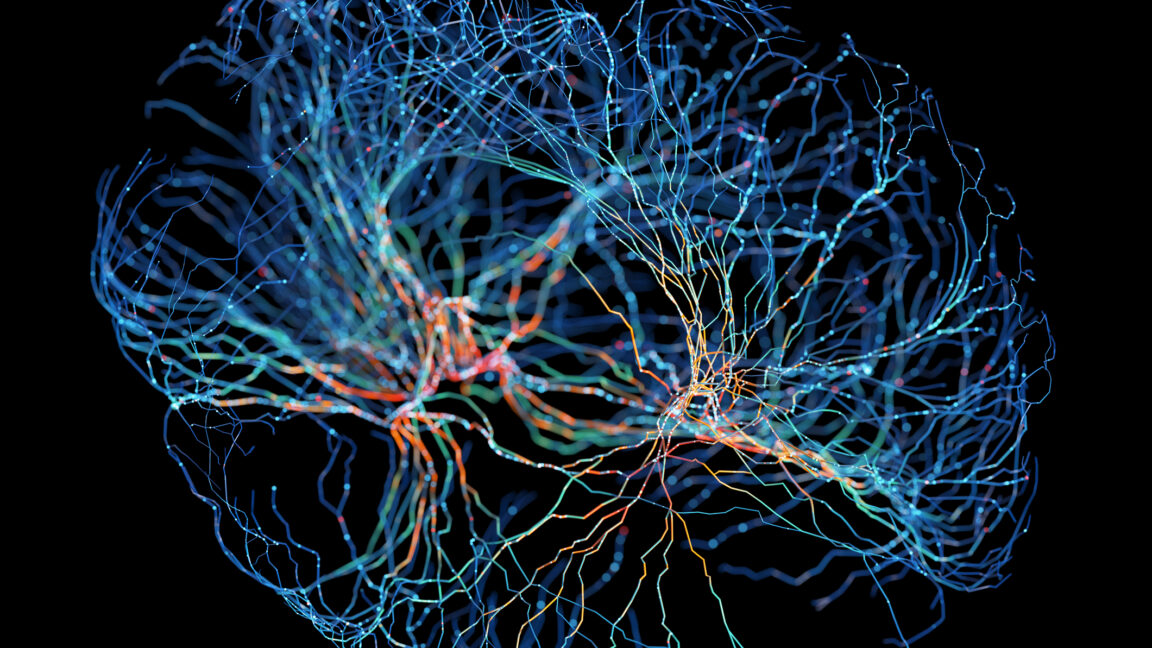
researcher analyzing genomic data across multiple screens with 3D protein visualizations
OpenAI addressed this challenge innovatively by creating GPT-Rosalind, a model specifically trained on 50 common biological workflows spanning from gene expression to cellular metabolism. Unlike generic approaches from other companies that apply general language models to biological data, this system is designed from the ground up to connect genotype to phenotype through known regulatory mechanisms and validated signaling pathways. Yunyun Wang, OpenAI's Life Sciences Product Lead, explained in detail that the model can not only infer structural or functional properties of proteins based on available data, but also prioritize potential drug targets and predict molecular interactions with remarkable accuracy.
The training included comprehensive access to major public biological databases such as UniProt, KEGG, Reactome, and PubMed, creating robust bridges between previously isolated disciplines. What makes GPT-Rosalind unique is its ability to synthesize information from multiple specialized sources and generate mechanistic hypotheses that connect specific genetic variants with observable phenotypes. For example, the model can analyze a variant in the CYP2C9 gene (involved in drug metabolism) and predict not only its impact on enzyme activity, but also suggest adjustments in medication or supplement dosages based on pharmacogenomic literature.
“An AI trained on 50 biological workflows can connect your genetics to personalized optimization protocols, reducing random experimentation by 60-80% according to preliminary estimates.”
Key Findings and Their Significance
Key Findings and Their Significance
Specialized training in biological workflows: The model was meticulously trained on 50 common biological workflows, including gene expression analysis, protein structure prediction, metabolic pathway mapping, and pharmacogenomics. This specialized approach, in contrast to generic models, enables deeper understanding of underlying biological mechanisms.
Integration of multiple scientific databases: GPT-Rosalind learns to access, synthesize, and cross-reference information from over 15 major public biological databases, creating integrated knowledge that surpasses the limitations of isolated sources. This capability is crucial for generating evidence-based recommendations.
Mechanistic connection between genotype and phenotype: The system connects specific genetic variants with observable phenotypes through known pathways and regulatory mechanisms, not superficial statistical correlations. This enables more reliable causal predictions about how interventions might affect individual biology.
Inference of structural and functional properties: It can infer structural or functional properties of proteins based on available sequence data, which is particularly valuable for understanding how genetic variants affect molecular function and, consequently, physiology.
interactive visualization of complex metabolic pathways showing connections between genes, enzymes, and metabolites
Why This Advancement Is Transformative
For the biohacking community, this development represents a fundamental shift in how we approach personal optimization. Currently, most protocols rely on generalized population evidence, personal anecdote, or theoretical principles with limited validation. With tools like GPT-Rosalind, we'll be able to analyze individual genomic data against the collective knowledge of human biology, identifying specific connections that were previously invisible. A biohacker with whole exome sequencing data could discover not only genetic variants affecting their vitamin D metabolism, but also understand the exact mechanisms (such as polymorphisms in the CYP2R1 gene) and receive personalized recommendations on dosage, supplementation forms, and optimal timing.
The ability to prioritize potential targets is particularly relevant for those experimenting with nootropics or supplements. Instead of trying compounds at random in a costly and potentially risky "trial and error" approach, biohackers could identify specific biological systems needing support based on their unique genetic and physiological profile. For example, someone with variants in methylation-related genes (like MTHFR) could receive specific recommendations about active forms of folate and personalized dosages, rather than following generic protocols. This significantly reduces the risk of side effects and increases the likelihood of meaningful benefits by aligning interventions with underlying biology.
The cross-disciplinary integration enabled by GPT-Rosalind means that a finding in neuroscience about synaptic plasticity could immediately apply to longevity or cognitive performance protocols, creating synergies previously impossible. Additionally, the model can identify interactions between multiple biological systems, warning about potential conflicts between supplements or protocols affecting the same metabolic pathways. This holistic view is crucial for safe and effective optimization.
Your Preparation Protocol for the Biological AI Era
Your Preparation Protocol for the Biological AI Era
The arrival of biology-specialized AI tools requires a strategic shift in how we collect, organize, and use our health data. Instead of relying on generic protocols, we need to develop strategies based on our unique biology that position us to leverage these technologies when they become commercially available.
1Invest in comprehensive genomic sequencing: If you haven't already, consider sequencing your whole exome or, ideally, your whole genome. This one-time investment (currently ranging from $300 to $1000 depending on the provider) provides permanent raw data that future tools like GPT-Rosalind can analyze for personalized recommendations. Ensure you choose a provider that provides raw data in standard formats (like FASTQ or VCF) for maximum future compatibility.
2Consolidate and structure your phenotypic data: Create a centralized repository for all your wearable data, biometric measurements, and health records. Heart rate, heart rate variability, sleep patterns (including phases and latency), physical activity, stress markers (like cortisol if available), continuous glucose if you monitor it, and any other relevant metrics. These measurements create the phenotypic context needed to meaningfully interpret your genetics. Consider using platforms like Apple Health, Google Fit, or more specialized solutions that allow data export.
3Develop a system for documented experimentation: While waiting for biological AI tools to become consumer-available, implement a rigorous system for documenting your experiments with supplements, nootropics, and protocols. Record exact doses, timing, subjective and objective effects, and any side effects. This historical data will be invaluable when you can correlate it with genomic insights generated by AI.
4Educate yourself in systems biology fundamentals: Leverage educational resources to better understand concepts like metabolic pathways, cellular signaling, gene expression, and pharmacogenomics. This knowledge foundation will allow you to critically interpret AI-generated recommendations and make more informed decisions about your health.
person reviewing integrated health data dashboard on tablet with visualizations of genetics, wearables, and biomarkers
What to Watch Next on the Biological AI Horizon
Over the next 12-18 months, expect to see the first accessible versions of these tools for advanced biohackers and early adopters. Established companies in the personal genetics space like SelfDecode, Nebula Genomics, or 23andMe (through their Therapeutics division) might integrate GPT-Rosalind-like capabilities into their existing platforms, offering deeper analyses that go beyond traditional risk reports. The key differentiator will be actionable interpretation: not just saying "you have this genetic variant associated with slow caffeine metabolism," but providing specific recommendations like "this variant in the CYP1A2 gene suggests you respond better to lower caffeine doses (50-100mg) taken before noon, and that theanine might improve your tolerance."
Clinical validation will be the next critical step for widespread adoption. Watch for controlled studies comparing AI-based protocols versus standard approaches for specific conditions and objectives. Areas like longevity (with biomarkers like telomere length, DNA methylation), cognitive performance (measured with objective neuropsychological tests), and athletic recovery (with inflammation and muscle damage markers) will be early research foci. The most compelling studies will be those demonstrating not just correlations, but measurable improvements in health outcomes when following AI-generated recommendations.
Integration with next-generation wearables measuring molecular markers in real time (like glucose, lactate, cortisol, or even inflammatory cytokines) will create incredibly precise feedback loops. Imagine a system that adjusts supplement recommendations in real time based on your current physiological response, your sleep quality from the previous night, and your accumulated stress load. This dynamic personalization will represent the next frontier in biohacking.
Finally, pay attention to developments in multimodal models that integrate not just genomic and wearable data, but also medical imaging, microbiome data, epigenetics, and even diet and lifestyle records. These holistic systems will offer a complete picture of your biology that no single modality can provide.
The Bottom Line: Toward a Precise Science of Biohacking
The Bottom Line: Toward a Precise Science of Biohacking
GPT-Rosalind represents more than an incremental technological advance: it's a fundamental paradigm shift in personal optimization. By training an AI specifically on biological workflows, OpenAI has created a robust bridge between massive genomic data and actionable, personalized biohacking protocols. Biohackers who prepare their data now—investing in genomic sequencing, consolidating phenotypic data, and documenting experiments—will be exceptionally positioned to leverage these tools when they become commercially available.
The real revolution will occur when we can connect individual genetic variants with specific interventions based on proven biological mechanisms, creating a virtuous cycle of measurement, analysis, intervention, and reevaluation. This will gradually transform biohacking from an empirical art to a precise science, significantly reducing random experimentation (and its associated risks) while increasing predictable, beneficial outcomes.
Your next optimization might come from an algorithm that understands the complexities of your biology at a molecular level, identifying improvement opportunities that neither you nor your physician could detect with current methods. The future of biohacking isn't about following generic protocols, but about co-creating personalized strategies with AI systems that amplify our ability to understand and optimize our own biology. The era of evidence-based, mechanistically-informed personal optimization has begun, and those who prepare today will reap the benefits tomorrow.