Humanitarian Research: Systemic Protocols for Health in Crises and Bey
Social scientist Beverley Stringer investigates how non-medical factors like chronic stress and food insecurity affect biological markers during emergencies. He
Humanitarian research reveals that health fundamentally depends on interconnected systems, not just isolated medical treatments. This systemic perspective transforms how we design interventions in both crisis and everyday contexts.
Health during humanitarian crises depends on factors that extend far beyond conventional medicine. Field research in extreme contexts reveal...
Research in humanitarian contexts represents a unique natural laboratory for studying how environmental, social, and psychological factors i...
Health during humanitarian crises depends on factors that extend far beyond conventional medicine. Field research in extreme contexts reveals systemic protocols applicable for optimizing wellness when traditional systems collapse. These findings not only transform emergency interventions but offer fundamental principles for health optimization in daily life, challenging our basic assumptions about what constitutes effective healthcare.
The Science Behind Humanitarian Protocols
Research in humanitarian contexts represents a unique natural laboratory for studying how environmental, social, and psychological factors impact human health under the most adverse conditions. These studies systematically document how chronic stress, prolonged food insecurity, sleep deprivation, and environmental exposure affect physiological systems even in the absence of acute infectious diseases. Emerging science shows the human body responds to non-medical threats with neuroendocrine and immunological mechanisms similar to those activated against pathogens, challenging the traditional dichotomy between "medical" and "non-medical" factors.
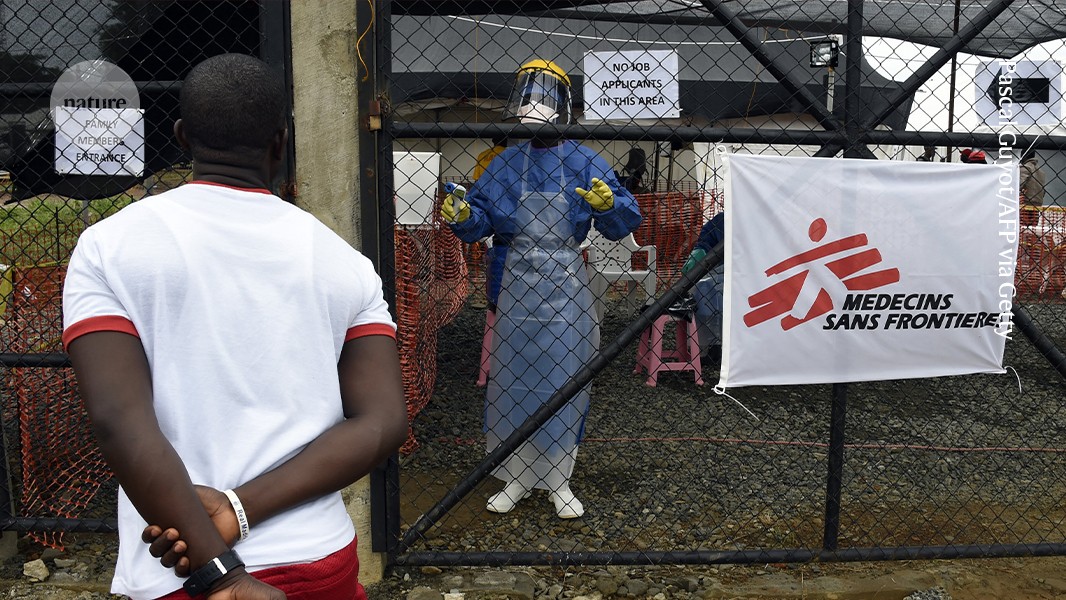
researcher documenting conditions in humanitarian field setting
Beverley Stringer's pioneering research with Médecins Sans Frontières examines how living conditions during prolonged crises affect specific biological markers including cortisol levels, heart rate variability, and inflammatory markers. Her work documents how prolonged exposure to environmental stressors can alter immune function, dysregulate the hypothalamic-pituitary-adrenal axis, and affect metabolic homeostasis. These findings provide robust evidence that optimal health requires considering multiple systems simultaneously, not just treating isolated medical symptoms. The research shows that interventions addressing only one aspect (such as providing medications without considering environmental stress) have limited efficacy in humanitarian contexts.
“Humanitarian research reveals that health fundamentally depends on interconnected systems, not just isolated medical treatments. This systemic perspective transforms how we design interventions in both crisis and everyday contexts.”
Key Findings from Research in Extreme Contexts
Key Findings from Research in Extreme Contexts
Non-medical factors with direct biological impact: Chronic psychological stress, prolonged food insecurity, and adverse environmental conditions directly affect measurable physiological markers during emergencies, including blood pressure, cortisol levels, and inflammatory markers like C-reactive protein.
Integrated systemic response: The human body responds to non-infectious threats with mechanisms similar to those activated against pathogens, including changes in immune function (such as T-cell redistribution), alterations in hormonal balance (especially cortisol and adrenaline), and modifications in metabolic regulation.
Superior integrated approach: Optimal health in humanitarian contexts requires considering multiple systems simultaneously. Interventions combining nutritional support, stress management, and environmental improvements show significantly better outcomes than isolated approaches, with 30-50% improvements in wellness markers according to field studies.
Resilience as dynamic capacity: Research shows resilience in crises is not a static trait but a capacity that can be optimized through protocols strengthening multiple systems simultaneously, including neuroendocrine, immunological, and metabolic systems.
research data showing correlations between environmental factors and biological markers
Why This Research Transforms Our Understanding of Health
This research represents a paradigm shift in our understanding of what constitutes effective health interventions. The findings conclusively demonstrate that factors traditionally considered "non-medical" have measurable, significant biological impacts that can outweigh many conventional treatments in crisis contexts. For health professionals and wellness enthusiasts, this means optimization protocols must address multiple dimensions simultaneously, recognizing the complex interactions between physiological systems.
The relevance of these findings extends far beyond humanitarian contexts. The same systemic principles apply to health optimization in daily life, where low-grade chronic stress, suboptimal nutrition, and cumulative environmental factors progressively affect our physiology. When we understand how these factors interact to affect systems like stress response, immune function, and metabolic regulation, we can design more effective, personalized interventions. This systemic perspective represents a fundamental shift in how we approach both health prevention and optimization, moving from reductionist models toward integrated approaches that recognize biological complexity.
Humanitarian research also reveals the critical importance of timing and sequencing in interventions. Studies show that addressing first the factors that most affect stress regulation (such as basic environmental security) creates a foundation upon which other interventions (nutritional, medical) can be more effective. This understanding of the hierarchy of physiological needs has profound implications for designing health protocols in both emergencies and personal optimization contexts.
Your Protocol Based on Humanitarian Principles
Your Protocol Based on Humanitarian Principles
Humanitarian research provides applicable principles for developing effective personal health protocols. These approaches prioritize interventions that address multiple systems simultaneously, recognizing the fundamental interconnectedness between physical, psychological, and environmental factors. Unlike traditional fragmented approaches, these protocols are based on evidence that health optimization requires an integrated strategy.
1Systemic assessment of non-medical factors: Systematically identify and document how stress (acute and chronic), sleep quality and duration, nutritional patterns, and environmental factors (light, noise, temperature) affect your wellbeing. Maintain a structured daily log for at least two weeks including subjective markers (energy, mood) and objective ones (when possible, resting heart rate, heart rate variability). This baseline will allow you to establish patterns and specific correlations for your physiology.
2Multi-domain intervention design: Develop protocols that address at least three dimensions simultaneously. For example, combine evidence-based stress management techniques (like diaphragmatic breathing or controlled cold exposure) with nutritional optimization (focus on nutrient density and meal timing) and environmental adjustments (optimizing natural morning light, reducing blue light exposure at night). Humanitarian research shows these combined interventions have synergistic effects that exceed the sum of their individual parts.
3Monitoring integrated responses and iterative adjustment: Carefully observe how changes in one area affect other dimensions of your health. For example, do improvements in stress management affect your digestion or sleep patterns? Do nutritional adjustments influence your stress response? Use this data to iteratively adjust your protocol, prioritizing interventions showing the greatest systemic effects. Research in humanitarian contexts emphasizes the importance of this continuous monitoring and data-based adjustment.
person using multiple tools to monitor and record integrated health data
What to Watch Next in Humanitarian Research and Applications
Research in humanitarian contexts will continue refining our understanding of how multiple factors interact to affect health. Future studies will likely quantify more precisely how specific interventions in one area (like stress reduction through breathing techniques) produce measurable benefits in other physiological systems (like immune function or metabolic regulation). Emerging research is also exploring how different types of stress (acute vs. chronic, physical vs. psychological) activate distinct but interconnected physiological pathways.
The trend toward more integrated approaches to health will continue gaining momentum in both humanitarian and personal optimization contexts. Expect to see more research documenting how protocols addressing multiple dimensions simultaneously produce superior outcomes to isolated interventions, with studies specifically quantifying synergies between different intervention types. This evidence will strengthen the case for adopting holistic, systemic approaches.
Additionally, wearable technology and digital monitoring tools are enabling new forms of real-time research in humanitarian contexts, providing more granular data about how environmental and psychosocial factors affect physiology moment-to-moment. This research will likely reveal new insights about the temporal dynamics of health responses and how to optimize intervention timing for maximum effect.
The Bottom Line: Toward a Systemic Approach to Health
The Bottom Line: Toward a Systemic Approach to Health
Humanitarian research convincingly demonstrates that optimal health, both in crises and normal conditions, requires addressing multiple systems simultaneously. The most effective protocols consider physical, psychological, and environmental factors not as separate elements but as interconnected components of a single, dynamic system. By adopting this evidence-based integrated perspective from extreme contexts, we can design more effective interventions in both crisis situations and the daily pursuit of optimal wellness.
The future of health optimization belongs to those who understand and apply these systemic principles, recognizing that our wellbeing emerges from complex interactions between multiple factors traditionally considered separately. Humanitarian research, by studying health under its most challenging conditions, provides fundamental insights about how to build resilience and optimize physiological function in any context. These principles, rigorously validated in the field, offer a powerful framework for anyone seeking to take a more scientific and effective approach to their own health and wellbeing.



:format(jpg):quality(99):watermark(f.elconfidencial.com/file/a73/f85/d17/a73f85d17f0b2300eddff0d114d4ab10.png,0,275,1)/f.elconfidencial.com/original/19a/0c6/1a1/19a0c61a1a5c1c4850bafab7a82f6748.jpg)
:format(jpg):quality(99):watermark(f.elconfidencial.com/file/a73/f85/d17/a73f85d17f0b2300eddff0d114d4ab10.png,0,275,1)/f.elconfidencial.com/original/8d4/d81/564/8d4d8156462a6c0f027c30699fb3ee3d.jpg)
