
Your heart beats 100,000 times a day. When it fails, each beat becomes a struggle.
Now, gene therapy aims to strengthen the heart muscle from within. After years of controversy and mixed results, a new wave of research is changing the outlook for millions with heart failure. This chronic, progressive condition affects over 64 million people worldwide, with a five-year mortality rate approaching 50%—comparable to many cancers. Current treatments manage symptoms but don't address the root cause: the loss of contractile strength. Gene therapy offers a radical shift: instead of symptom management, it aims to correct the underlying molecular defect.

Gene therapy seeks to deliver healthy genes into heart cells, prompting them to produce proteins that boost contractions. A promising target is the SERCA2a protein, which regulates calcium cycling in heart cells. Calcium is essential for contraction: when heart cells are activated, calcium enters and triggers contraction; then SERCA2a pumps calcium back into the sarcoplasmic reticulum to allow relaxation. In heart failure, SERCA2a levels drop, leading to weak contraction and incomplete relaxation. Early animal studies showed significant improvements, but human trials had inconsistent results, fueling skepticism. However, recent advances in viral vectors and understanding of cardiac biology have renewed optimism.
“"The heart is a pump, and gene therapy could be the oil that greases its gears."”
Key Findings
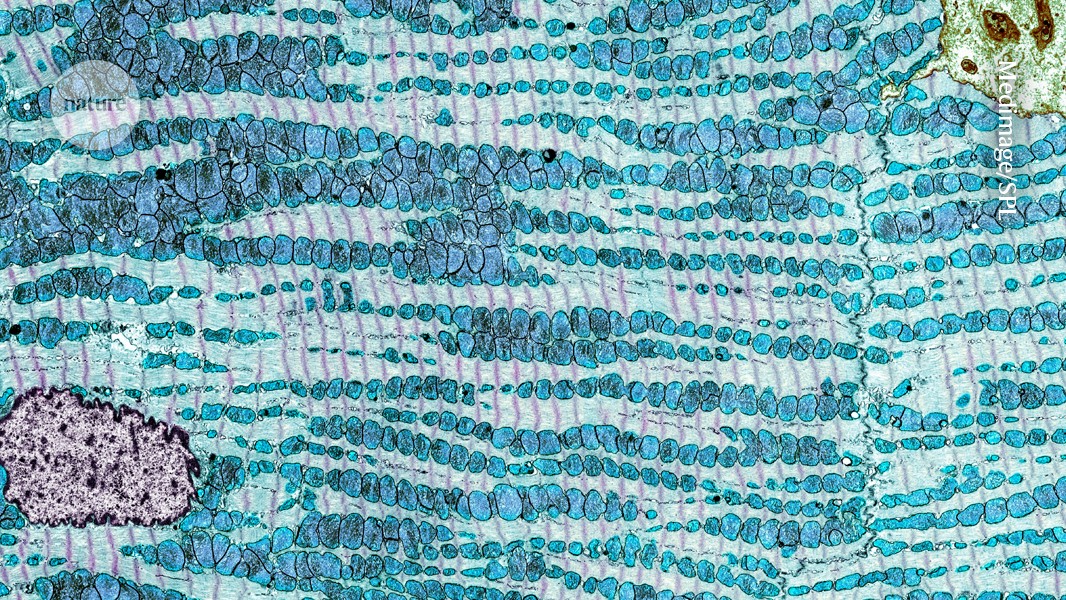
- SERCA2a protein: The gene encoding this protein has been the primary focus. In a phase 2 trial, patients receiving the therapy showed a 15% improvement in ejection fraction, a key measure of heart function. This modest increase is clinically significant, associated with better survival and quality of life. Patients also had fewer hospitalizations for heart failure.
- New viral vectors: Researchers have developed safer, more efficient AAV (adeno-associated virus) vectors that deliver genes directly to the heart without triggering severe immune responses. Next-generation vectors like modified AAV9 have higher cardiac tropism and lower immunogenicity, reducing adverse reactions and allowing higher effective doses.
- Ongoing trials: As of 2026, at least three phase 1/2 clinical trials are recruiting patients to test gene therapies targeting the cBIN1 protein, which stabilizes heart T-tubules. T-tubules are membrane invaginations that enable rapid action potential propagation; their disorganization is an early feature of heart failure. Restoring cBIN1 could normalize T-tubule structure and improve contractility.
- Window of opportunity: Experts believe gene therapy works best in early-stage heart failure, before irreversible damage occurs. In animal models, early intervention prevents ventricular remodeling and fibrosis. This underscores the importance of early diagnosis and monitoring of at-risk patients.

Why It Matters
For biohackers and longevity enthusiasts, this research represents a leap from reactive to regenerative medicine. Instead of just managing disease, gene therapy offers the potential to restore lost function. This aligns with the longevity philosophy: not just extending life, but improving health during those extra years. Heart failure is a leading cause of disability and death in older adults; preventing or reversing it would have a huge impact on healthy lifespan.
The mechanism is elegant: by boosting key protein production, heart contractility improves without needing a transplant. This could reduce reliance on drugs like beta-blockers and ACE inhibitors, which carry significant side effects like fatigue, dizziness, and kidney dysfunction. Gene therapy could also be an alternative for patients ineligible for transplant due to age or comorbidities.
Moreover, AAV vector technology is maturing, opening doors for applications in other muscle and metabolic diseases. Heart failure is just the first target. Gene therapies for Duchenne muscular dystrophy and Pompe disease are already being explored, and principles learned in the heart could apply to other organs. The AAV platform is versatile and could be adapted to deliver therapeutic genes to multiple tissues.
Your Protocol
While gene therapy isn't yet available to the public, you can take steps today to support heart health and prepare for future innovations:
- 1Optimize mitochondrial function: Heart failure is linked to mitochondrial dysfunction. Supplements like CoQ10 (200-300 mg/day) and L-carnitine (1-2 g/day) can support cellular energy production. CoQ10 is essential for the electron transport chain, and L-carnitine facilitates fatty acid transport into mitochondria. Studies show CoQ10 supplementation improves ejection fraction in heart failure patients.
- 2Monitor your ejection fraction: If you have risk factors like hypertension, diabetes, or family history, ask your doctor for an echocardiogram. Knowing your baseline allows early detection of changes. Normal ejection fraction is 50-70%; values below 40% indicate heart failure. Early detection enables lifestyle changes and medications before irreversible damage.
- 3Reduce systemic inflammation: Chronic inflammation accelerates heart damage. A diet rich in omega-3s (fatty fish, 2-3 servings/week) and polyphenols (berries, green tea) can help. Omega-3s reduce pro-inflammatory cytokines, while polyphenols have antioxidant effects. Avoiding excess sugar and trans fats also contributes to a lower inflammatory profile.
- 4Stay informed: Follow clinical trials on ClinicalTrials.gov. Gene therapy for the heart could be approved within 5-10 years. Current trials are recruiting patients with NYHA class II-III heart failure. If you meet criteria, consider participating. Also, keep up with publications from the American Heart Association and European Society of Cardiology.
What To Watch Next

The next 12-18 months will be critical. Results from the phase 2 trial of SERCA2a therapy are expected by late 2027. If positive, they could accelerate development toward phase 3 trials. Long-term safety data on AAV vectors are also expected, essential for regulatory approval.
There's also interest in combination therapies: using gene therapy alongside stem cells to regenerate damaged heart tissue. A 2025 preclinical study showed the combination improved heart function by 30% more than either therapy alone. The logic is that gene therapy improves function of existing cells, while stem cells replace lost ones. This synergy could be key to full heart regeneration.
Additionally, new gene-editing tools like CRISPR are being developed to correct specific mutations causing hereditary cardiomyopathies. Though still preclinical, CRISPR offers the possibility of permanent genome repair, which would be a definitive cure for certain types of heart failure.
The Bottom Line
Gene therapy for heart failure is rising from the ashes. With safer vectors and better-defined targets, the promise of repairing the heart from within is closer than ever. For those seeking to optimize their health, the message is clear: the future of cardiac medicine doesn't just treat symptoms—it rewrites the code of life.
Keep your heart strong today, because tomorrow we may have the tools to make it even stronger.
:format(jpg):quality(99):watermark(f.elconfidencial.com/file/a73/f85/d17/a73f85d17f0b2300eddff0d114d4ab10.png,0,275,1)/f.elconfidencial.com/original/19a/0c6/1a1/19a0c61a1a5c1c4850bafab7a82f6748.jpg)
:format(jpg):quality(99):watermark(f.elconfidencial.com/file/a73/f85/d17/a73f85d17f0b2300eddff0d114d4ab10.png,0,275,1)/f.elconfidencial.com/original/8d4/d81/564/8d4d8156462a6c0f027c30699fb3ee3d.jpg)
