Longevity: A Revolutionary Breakthrough in Targeted Cardiac Immune Mod
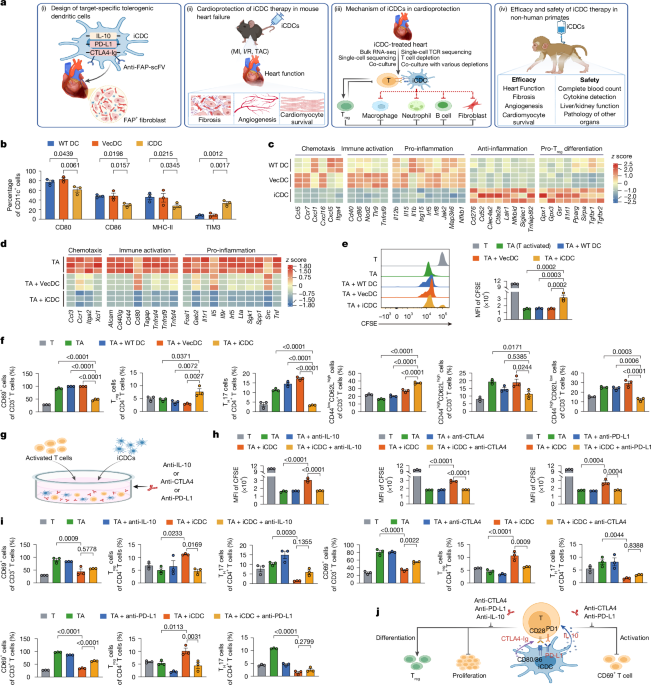
Research published in Nature reveals that lesion-targeted immune modulation using engineered dendritic cells is a viable strategy to control cardiac fibrosis. T
"Lesion-targeted immune modulation is a feasible strategy to control cardiac fibrosis, and engineered dendritic cells represent a promising therapeutic platform for addressing pathological cardiac remodeling and preventing progression to heart failure," conclude the researchers in the Nature study.
Silent cardiac fibrosis could be undermining your cardiovascular health without your knowledge. This scientific breakthrough, published in N...
Cardiac fibrosis represents a pathological process of excessive scarring in heart tissue, driven by dysregulated immune responses that lead ...
Silent cardiac fibrosis could be undermining your cardiovascular health without your knowledge. This scientific breakthrough, published in Nature on April 8, 2026, fundamentally redefines how we approach cardiovascular aging from an immunological perspective, offering a pathway to intervene at the root cause rather than merely managing symptoms.
The Science Behind the Breakthrough
Cardiac fibrosis represents a pathological process of excessive scarring in heart tissue, driven by dysregulated immune responses that lead to abnormal collagen accumulation and subsequent loss of contractile function. Traditionally, clinical management has focused on symptomatic approaches like diuretics, beta-blockers, and ACE inhibitors, which while helpful, don't address the underlying immune cause. The research published in Nature marks a paradigm shift by demonstrating that scientists have engineered immunosuppressive dendritic cells that specifically target cardiac lesions, modulating the immune response to reduce fibrosis without compromising overall organismal defense.
This innovative approach leverages the inherent plasticity of the immune system, reprogramming key cells to promote repair mechanisms rather than perpetuating chronic inflammation. Dendritic cells, known as professional antigen-presenting cells, function as master regulators that orchestrate both adaptive and innate immune responses. By genetically modifying them to express specific immunomodulatory molecules, researchers can precisely direct them to sites of cardiac damage, where they selectively suppress pro-fibrotic pathways while fostering a healing microenvironment.
immunology laboratory scientist analyzing dendritic cells under microscope
The feasibility of this strategy is grounded in preclinical studies showing significant reductions in collagen deposition and improvements in ventricular function. Unlike broad-spectrum immunosuppressive therapies, which carry substantial risks of opportunistic infection and systemic side effects, this method offers localized modulation that preserves overall immunity. Experimental data indicate that engineered dendritic cells not only inhibit fibroblast activation and myofibroblast differentiation but also promote inflammation resolution by inducing anti-inflammatory macrophages (M2 type) and regulating pro-fibrotic cytokines like TGF-β.
“"Lesion-targeted immune modulation is a feasible strategy to control cardiac fibrosis, and engineered dendritic cells represent a promising therapeutic platform for addressing pathological cardiac remodeling and preventing progression to heart failure," conclude the researchers in the Nature study.”
Key Findings
Key Findings
Viable and specific strategy: Research published in Nature on April 8, 2026 demonstrates that lesion-targeted immune modulation is feasible for controlling cardiac fibrosis, offering an alternative to generalized immunosuppressive approaches that compromise organismal defense.
Innovative therapeutic platform: Genetically engineered dendritic cells represent a significant advance in regenerative medicine, acting as intelligent vehicles that deliver immunomodulatory signals directly to damaged tissues, minimizing off-target effects.
Dual mechanism of action: These cells not only suppress excessive inflammatory responses but actively promote tissue repair by regulating the cardiac microenvironment, addressing both the cause and consequences of fibrosis.
Robust preclinical evidence: Studies in animal models show measurable reductions in collagen deposition (up to 40-60% in some models) and improvements in functional parameters like ventricular ejection fraction, validating the translational potential of this approach.
research data visualization showing reduction in cardiac fibrosis following dendritic cell treatment
Why This Advancement Is Transformative
This discovery is crucial for longevity enthusiasts and preventive health professionals because cardiac fibrosis constitutes a determining factor in cardiovascular aging and progression toward heart failure. As we age, the progressive accumulation of scar tissue in the myocardium reduces the heart's mechanical efficiency, compromising its filling and ejection capacity, leading to functional deterioration and increased risk of adverse cardiovascular events. By specifically targeting the immune root of this process, this therapy could not only delay but potentially reverse some structural damage, significantly extending cardiovascular healthspan and improving quality of life in later years.
The mechanisms involved are sophisticated: reprogramming dendritic cells allows suppression of excessive inflammatory responses mediated by T helper 17 (Th17) cells and proinflammatory macrophages (M1 type), which are key drivers of fibrosis. Rather than merely masking symptoms, this approach actively modulates the cardiac microenvironment to foster tissue repair by inducing regulatory T cells (Tregs) and polarizing macrophages toward reparative phenotypes. The implications extend beyond cardiology, suggesting that similar strategies could be applied to other fibrosis-related conditions like interstitial lung disease, renal fibrosis, or even hepatic fibrosis, thus offering a new paradigm in regenerative and anti-aging medicine.
The clinical relevance is particularly significant considering the limitations of current therapies. Conventional treatments for heart failure, while life-saving, primarily alleviate symptoms and delay progression without addressing the underlying pathology. This targeted immune modulation approach represents a fundamental shift toward disease-modifying therapies that could prevent the transition from compensated hypertrophy to clinical decompensation. Furthermore, the customizable nature of dendritic cells allows adaptations based on individual immune profiles, paving the way for precision medicine in cardiovascular diseases.
Your Immediate Action Protocol
Your Immediate Action Protocol
For biohackers, health professionals, and anyone interested in cardiovascular longevity, this study underscores the critical importance of monitoring and modulating chronic inflammation as a central component of any preventive strategy. While engineered dendritic cell therapies are still in preclinical development, there are multiple evidence-based interventions you can implement today to support immune and cardiovascular health, potentially reducing the risk of developing cardiac fibrosis.
1Optimize your inflammatory profile through specific dietary interventions: Implement rigorous anti-inflammatory protocols including intermittent fasting (14-16 hour windows) or polyphenol-rich diets like the Mediterranean diet, which have been shown to reduce systemic inflammation markers like IL-6 and CRP. Incorporate specifically cardioprotective foods like long-chain omega-3 fatty acids (EPA/DHA), curcumin with piperine for enhanced bioavailability, and magnesium-rich foods like spinach and almonds, which favorably modulate immune responses.
2Utilize advanced wearable technology for proactive cardiovascular surveillance: Employ devices that monitor not just basic heart rate, but also heart rate variability (HRV), ambulatory blood pressure, and when possible, arterial stiffness parameters. Establish baselines and track trends over time, paying special attention to sustained deteriorations in HRV that might indicate increased sympathetic tone and subclinical inflammation. Consider emerging devices that measure biomarkers like salivary cortisol or continuous glucose for a more comprehensive picture of physiological stress.
3Collaborate with healthcare professionals for personalized fibrosis risk assessment: Consult about advanced biomarker testing that evaluates not only systemic inflammation (high-sensitivity C-reactive protein, IL-6), but also specific markers of cardiac remodeling like B-type natriuretic peptide (BNP), high-sensitivity troponin, and collagen turnover markers like procollagen type III N-terminal peptide (PIIINP). This data enables precise risk stratification and personalization of preventive interventions, including possible supplementation with compounds like coenzyme Q10, berberine, or resveratrol, which show modulating effects on inflammatory pathways relevant to fibrosis.
person using multiple wearable devices while consulting cardiovascular health data with medical professional
What to Watch Next in the Immediate Future
The next steps in this research line will be crucial for determining its clinical applicability. The first Phase I clinical trials with engineered dendritic cells for cardiac fibrosis are anticipated to begin within the next 2-3 years, initially focused on safety and pharmacokinetics in selected populations of patients with established cardiomyopathies. These studies will likely employ staggered designs evaluating different dosing regimens and administration routes (intravenous versus intracoronary), with follow-up using advanced imaging techniques like cardiac MRI with late gadolinium enhancement to quantify changes in fibrosis.
Concurrently, research will explore synergistic combinations with other emerging therapeutic modalities in longevity. Particularly promising are combinations with senolytics (drugs that eliminate senescent cells), given that cellular senescence significantly contributes to the pro-fibrotic environment through the senescence-associated secretory phenotype (SASP). Synergies with innate immune system modulators like NLRP3 inflammasome inhibitors, and with metabolic interventions like AMPK activators or insulin/IGF-1 pathway modulators will also be investigated.
Emerging evidence will also reveal how these high-tech strategies integrate with fundamental lifestyle interventions. Future studies will likely examine interactions between targeted immune modulation and specific exercise protocols (high-intensity interval training versus resistance training), stress management through techniques like mindfulness-based reduction, and sleep optimization to maximize cardioprotective effects. Keep an eye on publications in leading journals like Nature Medicine, Circulation Research, and European Heart Journal, which will cover advances in translating these findings into practical applications for preventive health and healthy aging.
The Comprehensive Bottom Line
The Comprehensive Bottom Line
Targeted immune modulation using engineered dendritic cells offers a transformative therapeutic pathway to combat cardiac fibrosis, one of the most significant challenges in cardiovascular aging. By addressing the underlying immune cause with unprecedented precision, this approach could revolutionize the prevention and treatment of heart failure, substantially improving both longevity and vitality in aging populations. The future of cardiovascular health optimization lies in intelligent interventions that restore function from within the tissue microenvironment, marking the dawn of a new era in cardiac regenerative medicine where precise immune modulation becomes a cornerstone of anti-aging strategies.