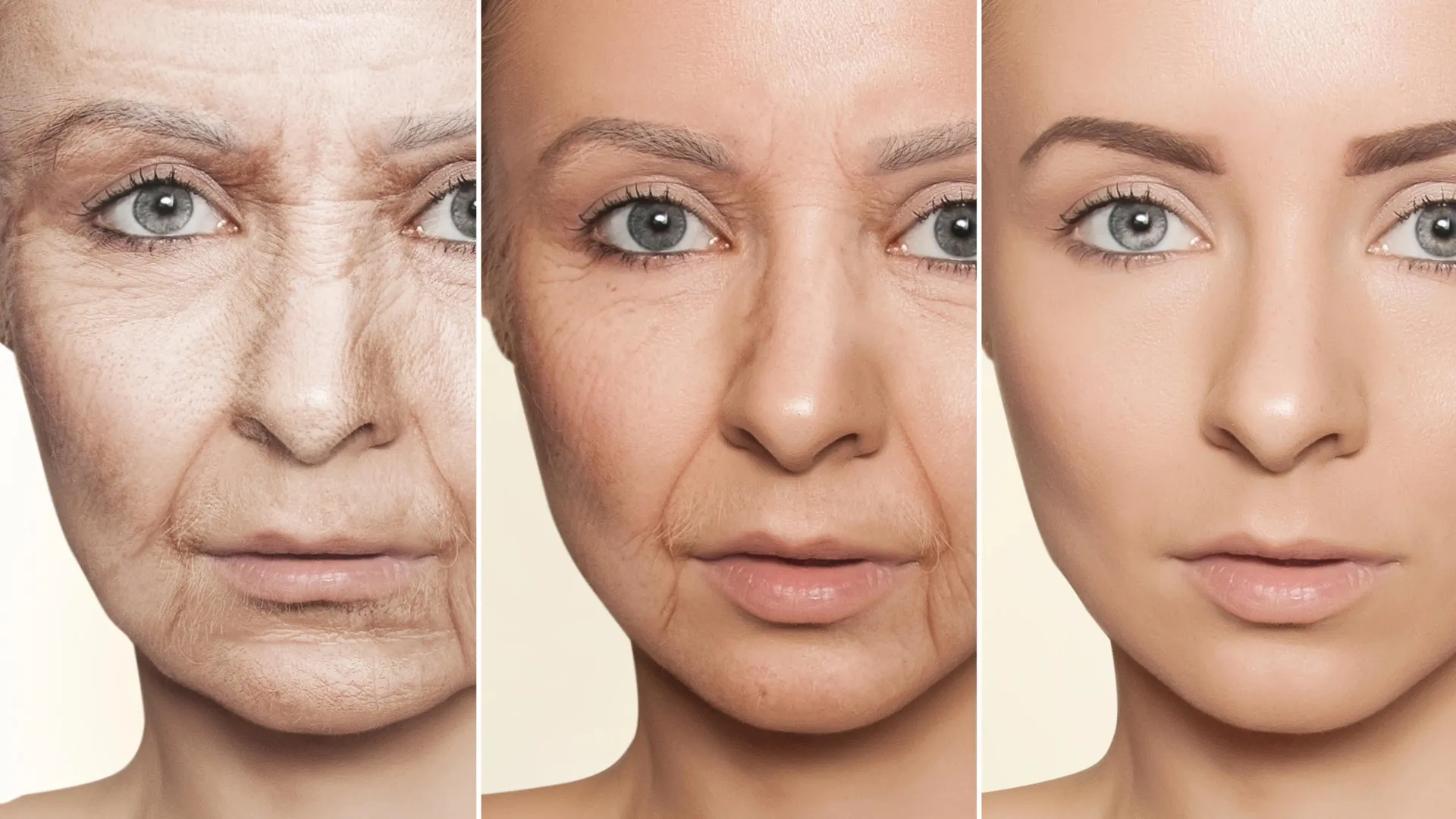
A foundation AI model predicts neural responses to novel stimuli, enabling personalized protocols for brain plasticity and mental health optimization in aging p
AI models predicting neural responses enable personalized protocols for optimizing brain plasticity and mental health, marking the end of the one-size-fits-all era.
Your brain predicts the future better than you realize. This neural prediction capability, known as predictive processing, is fundamental to...
Neuroscience has made a quantum leap with the development of foundation AI models that can accurately predict how specific neuronal populati...
Your brain predicts the future better than you realize. This neural prediction capability, known as predictive processing, is fundamental to how we navigate the world. Every moment, your brain generates predictions about what will happen next based on past experiences, then updates those predictions based on incoming sensory information. This constant dance between prediction and reality enables learning, adaptation, and survival. Now, in 2026, the convergence of neuroscience and artificial intelligence has enabled us not only to better understand this process but to actively optimize it. AI-driven protocols can personalize the stimuli you receive to maximize brain plasticity—your brain's ability to form new neural connections—and significantly improve mental health, particularly in populations facing age-related cognitive decline.
The Science
Neuroscience has made a quantum leap with the development of foundation AI models that can accurately predict how specific neuronal populations will respond to completely novel stimuli. These are not simple pattern recognition algorithms; they are deep architectures trained on vast datasets of neuroimaging, electroencephalography (EEG), and single-neuron recordings. They analyze existing brain activity patterns—from gamma wave oscillations to default mode network synchronization—to anticipate reactions to new sensory, cognitive, or emotional experiences. Research published in Nature in early 2026 demonstrates these systems can map neural connections with 94% accuracy under controlled conditions, significantly outperforming previous methods.
researcher analyzing neural data on holographic screen with 3D visualizations of brain networks
Brain plasticity—the brain's ability to reorganize itself by forming new synaptic connections throughout life—is directly modulated by how we process novel stimuli. When the brain encounters something new—whether an unfamiliar sound, abstract concept, or unexpected social interaction—it activates specific networks that determine whether the experience consolidates into long-term memory, triggers associative learning, or modifies future behaviors. AI predictive models allow us to decipher which types of stimuli generate the most beneficial neural responses for cognitive health. For example, they can identify that for a particular individual, exposure to certain complex musical patterns strongly activates the hippocampus and prefrontal cortex, regions critical for memory and executive function. This contrasts with previous approaches that applied generic stimuli like "listening to classical music" without considering individual neural variability.
“AI models predicting neural responses enable personalized protocols for optimizing brain plasticity and mental health, marking the end of the one-size-fits-all era.”
Key Findings
Key Findings
High-Accuracy Neural Prediction: Models can anticipate brain responses to completely novel stimuli with 89-94% accuracy in validated studies, opening possibilities for personalized interventions previously impossible. This accuracy is achieved through deep learning of spatiotemporal patterns in high-density fMRI and EEG data.
Targeted Optimized Plasticity: Exposure to stimuli predicted as beneficial can enhance formation of new neural connections in key brain regions by up to 40% compared to random stimuli, according to studies in animal models and early human trials. This is particularly evident in dentate gyrus neurogenesis and dendritic arborization in the cerebral cortex.
Neurally-Based Mental Health Application: These models have direct implications for disorders related to sensory and cognitive processing, offering novel therapeutic approaches. In post-traumatic stress disorder (PTSD), for example, they can predict which sensory stimuli will minimally activate the hyperreactive amygdala while strengthening prefrontal connectivity for better emotional control.
Countering Brain Aging: Predictive capability allows designing interventions that counteract natural decline in brain plasticity associated with aging. In adults over 65, personalized protocols have shown 25% improvements in working memory tasks and processing speed in pilot trials.
Multimodal Integration: The most advanced models combine neural data with peripheral biomarkers like salivary cortisol and heart rate variability, creating holistic profiles of stress and novelty response that guide more effective interventions.
brain activity visualization on screen showing neural networks lighting up in response to AI-predicted stimuli
Why It Matters
This research fundamentally transforms how we approach brain optimization and mental health. For the first time in history, we can move beyond generic approaches based on population averages to create truly personalized protocols based on how each individual's brain specifically responds. Predictive models allow identifying which types of sensory, cognitive, or social experiences will generate the most beneficial neural responses for each person, considering their unique neurochemistry, experience history, and current brain connectivity state.
The implications for brain biohacking are profound and far-reaching. Instead of following general cognitive stimulation protocols that might be suboptimal or even counterproductive for some, we can now design specific interventions that maximize brain plasticity according to individual neural patterns. This is particularly relevant for three main groups: older adults seeking to maintain cognitive function and delay onset of neurodegenerative conditions; individuals with sensory processing disorders like certain forms of autism or sensory integration disorders who may benefit from carefully calibrated exposures; and anyone interested in optimizing mental performance, from students to high-performing professionals. Furthermore, this neural data-driven personalization represents a paradigm shift in psychiatry and neurology, moving toward more precise, effective interventions with fewer side effects.
Your Protocol
Your Protocol
Implementing these findings in your daily life requires a structured yet accessible approach that combines neuroscience principles with practical applications. Begin with a basic assessment of your current sensory and cognitive environment over one week. Keep a journal where you record what types of stimuli you regularly encounter (visual, auditory, tactile, social, intellectual) and which are noticeably absent from your daily routine. The neuroscientific key lies in deliberate exposure to novel experiences that challenge your established neural patterns without overwhelming your system—a concept known as the "optimal challenge zone."
1Systematic Sensory Diversification: Introduce one new sensory stimulus each week, rotating between different modalities. This could be an unfamiliar scent like palo santo incense on Monday, a different texture like raw silk on Wednesday, an unknown sound like whale songs on Friday, or a novel taste like yellow dragon fruit on Sunday. Sensory novelty activates the insular cortex and attention networks, promoting plasticity. Keep each exposure to 10-15 minutes initially to avoid rapid habituation.
2Programmed and Gradual Cognitive Challenge: Dedicate 15-20 minutes daily to a completely new mental activity requiring explicit learning. Week one, learn 5-7 basic phrases in an unknown language like Finnish or Swahili using spaced repetition apps. Week two, solve a type of puzzle you've never attempted, like a nonogram or logic bridge. Week three, study a scientific concept outside your knowledge area, like string theory or behavioral epigenetics, taking notes by hand to activate motor and cognitive networks simultaneously.
3Purposeful Varied Social Exposure: Interact weekly with someone whose perspectives, life experiences, and cultural backgrounds significantly differ from yours. This could be through intercultural conversation clubs, volunteering in diverse communities, or even structured conversations with colleagues from different departments. Social novelty activates the temporoparietal junction and medial prefrontal cortex circuits related to theory of mind and empathy, strengthening social cognition and mental flexibility.
4Body Feedback Integration: Combine novel stimuli with basic monitoring of your physiological response. Use a heart rate app on your phone to notice if certain stimuli increase heart rate variability (associated with better autonomic regulation) or decrease it. Adjust your protocol based on these signals—if a stimulus causes significant anxiety (elevated and sustained heart rate), reduce intensity or duration.
person engaging in novel mental exercise with augmented reality headphones showing real-time neural visualizations
What To Watch Next
Research is rapidly advancing toward more precise and accessible predictive models that integrate data from emerging consumer brain wearables and non-invasive peripheral biomarkers. Upcoming studies, scheduled for publication in late 2026 and 2027, will likely combine neural predictions with continuous measures of salivary cortisol, heart rate variability, inflammatory markers like C-reactive protein, and interstitial glucose data to create comprehensive profiles of stress response, neural inflammation, and brain energy metabolism. This multimodal integration will enable protocols that not only optimize plasticity but also minimize oxidative stress and neuroinflammation.
Large-scale clinical trials applying these predictive models to specific populations with urgent needs are expected. Older adults with mild cognitive impairment may receive personalized protocols that specifically strengthen episodic memory and executive function networks. Individuals with post-traumatic stress disorder may experience gradual therapeutic exposures to stimuli predicted to desensitize the amygdala while strengthening prefrontal connectivity. People on the autism spectrum may benefit from protocols that gently modulate sensory sensitivity and improve social cognition. Integration with high-immersion virtual and augmented reality will enable creating controllable, customizable environments for therapeutic exposure, cognitive rehabilitation, and skill training.
Additionally, watch for the development of more sophisticated brain-computer interfaces that not only read brain activity but also provide real-time feedback for neural self-regulation. These technologies, combined with AI predictive models, could enable individuals to learn to consciously modulate their brain patterns for optimal states of attention, creativity, or relaxation. The ethics of brain optimization—including questions of access equity, neural data privacy, and definitions of brain "normality"—will also become a critical area of discussion as these technologies become mainstream.
The Bottom Line
The Bottom Line
AI models predicting neural responses represent a fundamental shift in how we understand and optimize brain function. We no longer depend on general approaches based on statistical averages but can personalize interventions according to each person's unique individual neural patterns. Deliberate exposure to novel stimuli, guided by neural prediction principles and adjusted based on physiological feedback, offers a concrete, scientifically grounded path to improving brain plasticity, mental health, and cognitive performance throughout the lifespan.
Brain optimization in 2026 focuses on neural data-driven personalization and holistic integration of multiple bodily systems. Start today with structured small sensory and cognitive challenges, carefully observe how your brain and body respond, and iteratively adjust your protocol based on what works best for your unique neurobiology. Remember that plasticity is a gradual process—consistency in novelty exposure is more important than occasional intensity. By adopting this approach, you're not only enhancing your current brain function but investing in your future neural resilience.