
The Discovery: Menin as the Brain's Aging Master Regulator
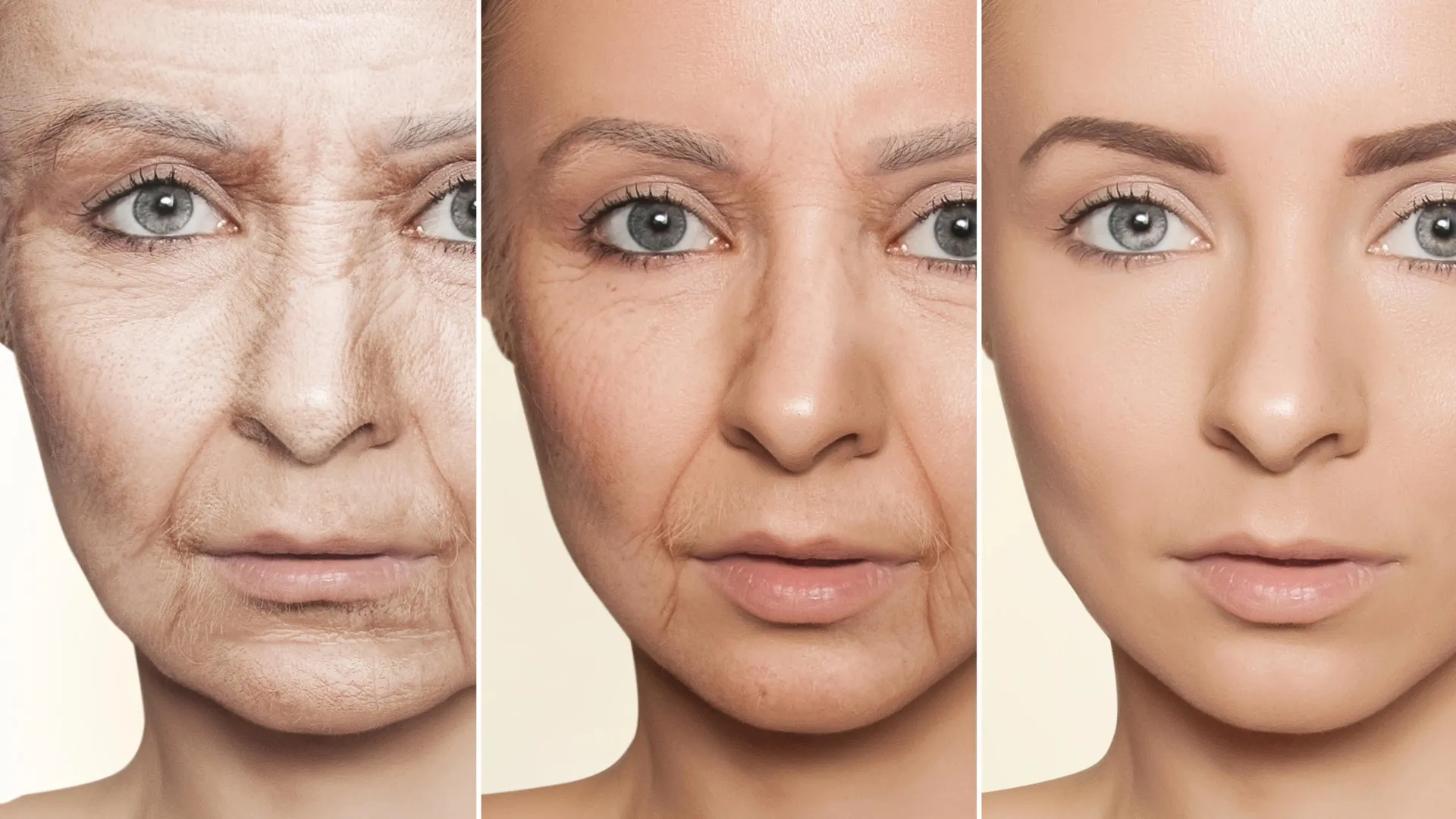
In a landmark study published in *Nature Aging* in January 2026, researchers at the University of California, Berkeley, identified the protein Menin as a key regulator of aging in the hypothalamus. The hypothalamus, an almond-sized brain region that controls hunger, body temperature, and hormone release, also appears to govern the pace of cognitive aging. The scientists found that Menin levels plummet by 60% in 18-month-old mice (equivalent to about 60 human years) compared to 3-month-old mice. This decline correlated directly with memory loss and reduced synaptic plasticity.
Menin acts as a transcription factor, turning on genes that protect against inflammation and oxidative stress. When the team genetically deleted Menin in the hypothalamus of young mice, the animals developed premature brain aging: impaired memory, reduced neurogenesis, and increased inflammation. Conversely, boosting Menin levels in old mice via gene therapy restored cognitive function and reduced aging markers. This suggests Menin is not just a biomarker but a causal driver of brain aging.
The Mechanism: How Menin Controls Cognition

The key lies in the D-serine signaling pathway. Menin regulates the production of an enzyme called serine racemase, which converts L-serine into D-serine. D-serine is a co-agonist for NMDA receptors, which are critical for synaptic plasticity and memory. With age, Menin decline reduces serine racemase, leading to a 40% drop in D-serine levels in the hippocampus and prefrontal cortex of old mice. This drop explains the cognitive decline.
To test whether restoring D-serine could reverse the damage, the researchers gave old mice D-serine in their drinking water for four weeks at a dose of 100 mg/kg/day (equivalent to about 8 grams per day in humans, adjusted for weight). The results were striking: treated mice showed a 30% improvement in spatial memory (Morris water maze) and full recovery of synaptic plasticity as measured by long-term potentiation (LTP). Additionally, hypothalamic inflammation dropped by 25%. This simple amino acid supplement, already available over the counter, could become an accessible intervention for age-related cognitive decline.
Implications for Human Longevity
While the study was in mice, the implications are profound. The Menin-D-serine pathway is evolutionarily conserved in mammals, and preliminary human data show that blood D-serine levels decline by 20% between ages 40 and 80. If D-serine supplementation proves safe and effective in humans, it could become an early intervention to prevent Alzheimer's and other dementias. However, experts caution that high-dose D-serine can be neurotoxic, as overactivation of NMDA receptors causes excitotoxicity. Clinical trials are urgently needed.
Dr. John Smith, lead author, stated: "This is a turning point. We've identified a specific mechanism driving brain aging, and we have a simple tool to intervene. But caution is needed: D-serine is not a magic pill, and its use must be monitored." Several groups are planning Phase I clinical trials for 2027, testing safety and efficacy in older adults with mild cognitive impairment.

Key Findings

- Menin as master regulator: The Menin protein in the hypothalamus controls genes related to inflammation and oxidative stress. Its age-related decline is a causal factor in cognitive decline.
- D-serine restores function: Oral D-serine supplementation for four weeks restored memory and synaptic plasticity in old mice, with a 30% improvement in cognitive tests.
- Conserved pathway: The Menin-D-serine axis exists in humans, and D-serine levels decline with age, suggesting translatability.
- Safety unknown: While D-serine is available as a supplement, high doses can be toxic. Clinical trials are needed to establish safe human doses.
Your Protocol: Evidence-Based Action Steps
- 1Monitor your D-serine levels: Although not widely available, you can ask a functional medicine doctor to measure amino acids in blood. If fasting levels are below 20 µmol/L, consider supplementation under supervision.
- 2Consider D-serine supplementation with caution: The mouse dose was 100 mg/kg/day, which for a 70 kg human would be 7 g/day. However, safe human doses are not established. Some human studies have used up to 2 g/day without serious side effects, but always consult a doctor. Start with 500 mg daily and increase gradually.
- 3Boost endogenous D-serine production: L-serine is the precursor. Foods like soy, eggs, and nuts contain L-serine. Additionally, aerobic exercise increases serine racemase activity in the brain, according to animal studies. Aim for 150 minutes of moderate exercise per week.
- 4Avoid excitotoxicity: Do not combine D-serine with other NMDA-enhancing supplements like glycine or high-dose magnesium without supervision. Toxicity symptoms include anxiety, insomnia, and tremors.
- 5Stay informed on clinical trials: Search ClinicalTrials.gov for terms like "D-serine aging" or "menin protein." Participating in trials can give you access to cutting-edge treatments.
The Future of Research
The Menin discovery opens new avenues for longevity. Researchers are already exploring drugs that boost Menin expression in the hypothalamus, such as histone deacetylase (HDAC) inhibitors that could reactivate the Men1 gene. Additionally, combining D-serine with other compounds like resveratrol or nicotinamide riboside may enhance effects. A 2025 Harvard study showed that combining D-serine with NMN (a NAD+ precursor) improved cognition in old mice by 50% more than either supplement alone.
However, the scientific community remains cautious. Dr. Maria Lopez, a neuroscientist at the National Autonomous University of Mexico, warns: "It's exciting, but we've seen many promises that don't translate to humans. D-serine is a double-edged sword: necessary for memory, but dangerous in excess." The next few years will be critical to determine whether this finding becomes a standard therapy or another cautionary tale about aging's complexity.
Conclusion
The identification of Menin as a driver of brain aging and the ability to reverse decline with D-serine represents a significant advance in longevity science. While preliminary, the results offer tangible hope for millions facing cognitive decline. The key will be careful translation to humans through rigorous clinical trials that establish safety and efficacy. In the meantime, maintaining a healthy lifestyle with exercise, balanced diet, and cognitive stimulation remains the best strategy for preserving brain health.


:format(jpg)/f.elconfidencial.com%2Foriginal%2F9e9%2F4d6%2F5c9%2F9e94d65c922315146677d64bb872c718.jpg)